Three Temples Combat Arts emblem

שלושת המקדשים · קרב מגע
Close-Quarters Combat

About the founder and instructor

Dr. Micah B. D. C.Naziri

Founder · Moreh Madrikh · Guru · Shifu Seng, Hern-Heng

Martial artist since 1994, instructor for more than two decades, and holder of multiple black-sash, black-belt, instructor, and lineage ranks in Chinese, Israeli, Filipino, and Indonesian systems.

Dr. Micah B. D. C. Naziri
Dr. Micah B. D. C. Naziri · Shifu Seng, Hern-Heng

Martial biography

A life formed through practice, lineage, and teaching.

Dr. Micah B. D. C. Naziri, known within Chinese martial lineages as Shifu Seng or Fa-Shih Hern-Heng, began his martial journey in 1994. He has taught martial arts for more than two decades and holds black-sash, black-belt, instructor, or equivalent standing in multiple systems. His training joins the Chinese internal family arts of Taijiquan, Xingyiquan, and Baguazhang with Northern Shaolin, Israeli Krav Maga, Filipino Kali and Eskrima, Indonesian Pencak Silat, traditional weapons work, meditative cultivation, and practical self-defense.

From 1996 through 1999, his training included study under students of Guru Dan Inosanto as well as periodic direct training with Guru Inosanto. In 1999, he began Taiji and Baguazhang together with Yi-family “internal Kungfu.” The following year he began Northern Shaolin through the Tien Shan Pai lineage. In 2001, he added Yang-style Taijiquan while continuing Baguazhang at the same school and training concurrently in Northern Shaolin and Tien Shan Pai.

His formative work in the neijia therefore developed through years of concurrent study in separate lineages rather than through a single generalized curriculum. He became an instructor in Yang-style Taijiquan in 2005. In 2006, he received lineage under Huang, Chien-Liang and was given the Taoist lineage name Seng, Hern-Heng. His continuous Northern Shaolin and Tien Shan Pai study, begun in 2000, culminated in a black sash in 2009.

Outside the Chinese systems, Dr. Naziri has trained in Israeli Krav Maga since 2005, studying in California and Israel and earning black-belt and instructor credentials in 2017. He reached fifth-degree instructor level in Kali and Eskrima in 2023. In July 2025, he received a Black Sash and Guru-level recognition in Pencak Silat through Warrior Silat’s combined Bukti Negara and Sera(k) curriculum, representing a de Thouars-family line. This dedicated Silat formation complements study through a separate Guru Dan Inosanto-line school.

Dr. Naziri has edited and prepared works on martial arts and Eastern medicine, transcribed and developed books for several of his teachers, and authored martial treatises of his own. His work as an instructor brings martial practice into relationship with meditation, health, conditioning, ethical discipline, cultural understanding, and the defense of self, family, congregation, and community.
Martial journey

Practice carried through body, lineage, and time.

Training, teaching, testing, meditative cultivation, and the living work of bringing inherited systems into present conditions.
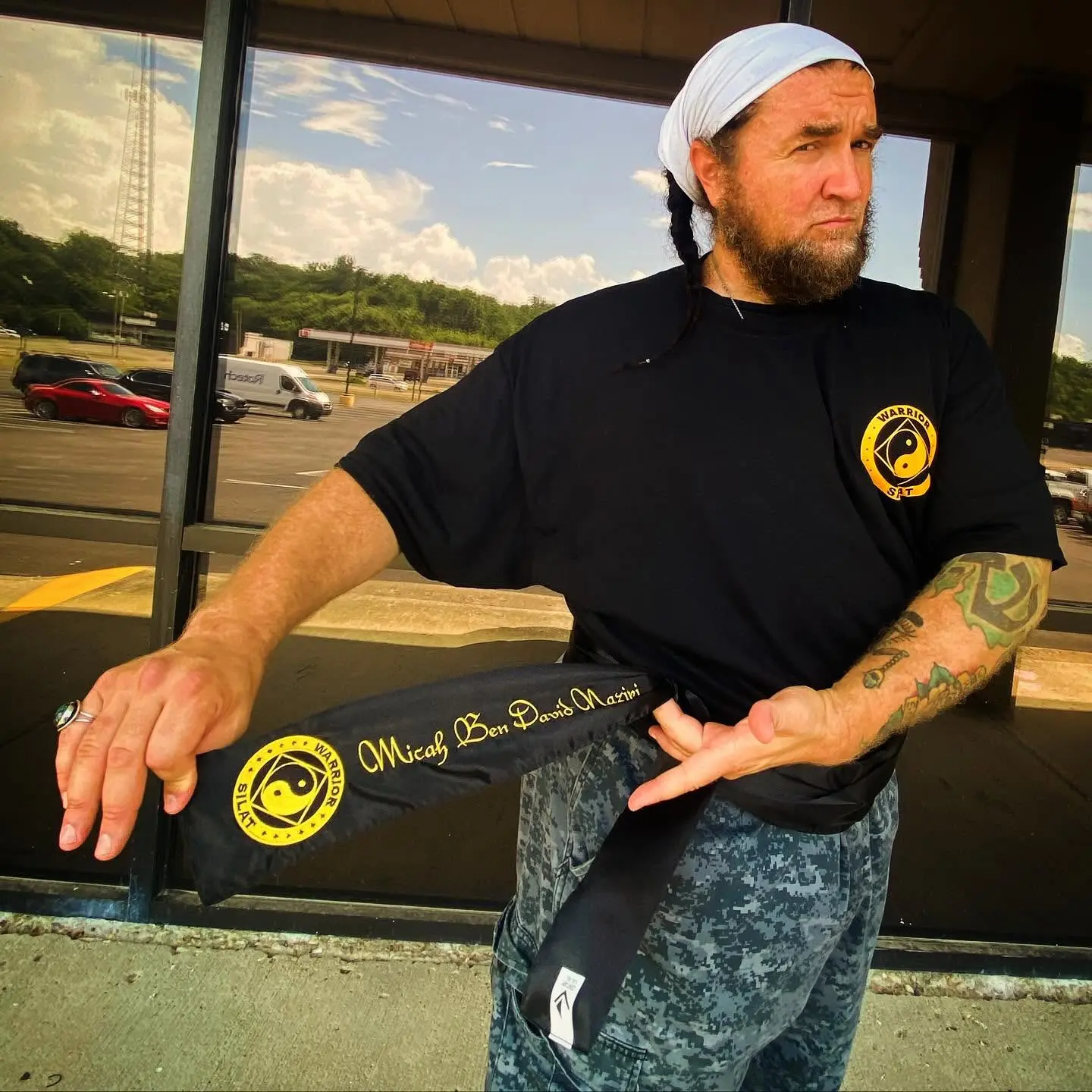
Dr. Micah Naziri displaying his Warrior Silat Black Sash
Pencak Silat · 2025

Black Sash recognition through Warrior Silat’s Bukti Negara and Sera(k) curriculum.

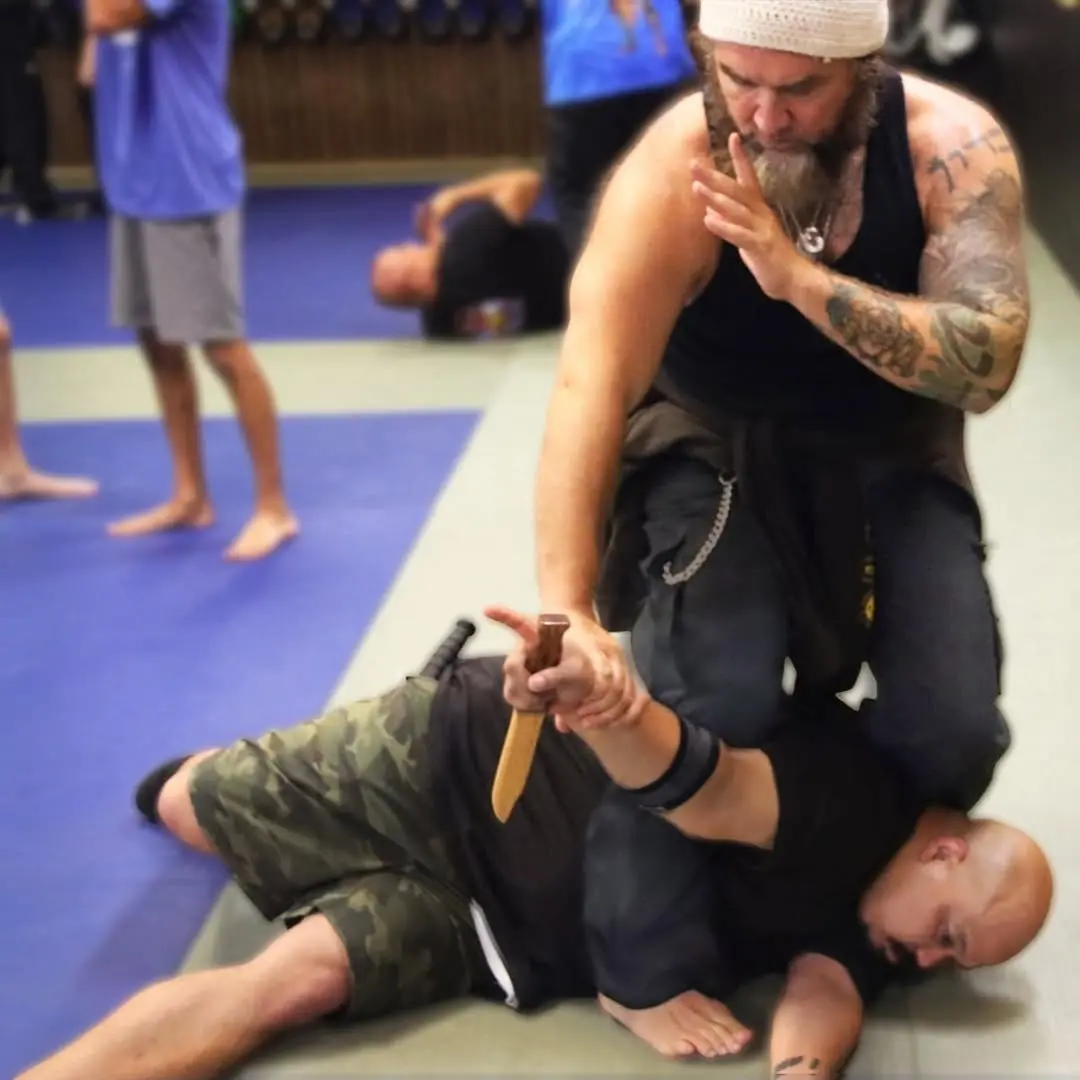
Dr. Micah Naziri demonstrating a Pencak Silat control against a training knife
Control under pressure

Pencak Silat balance, positional control, and blade awareness.

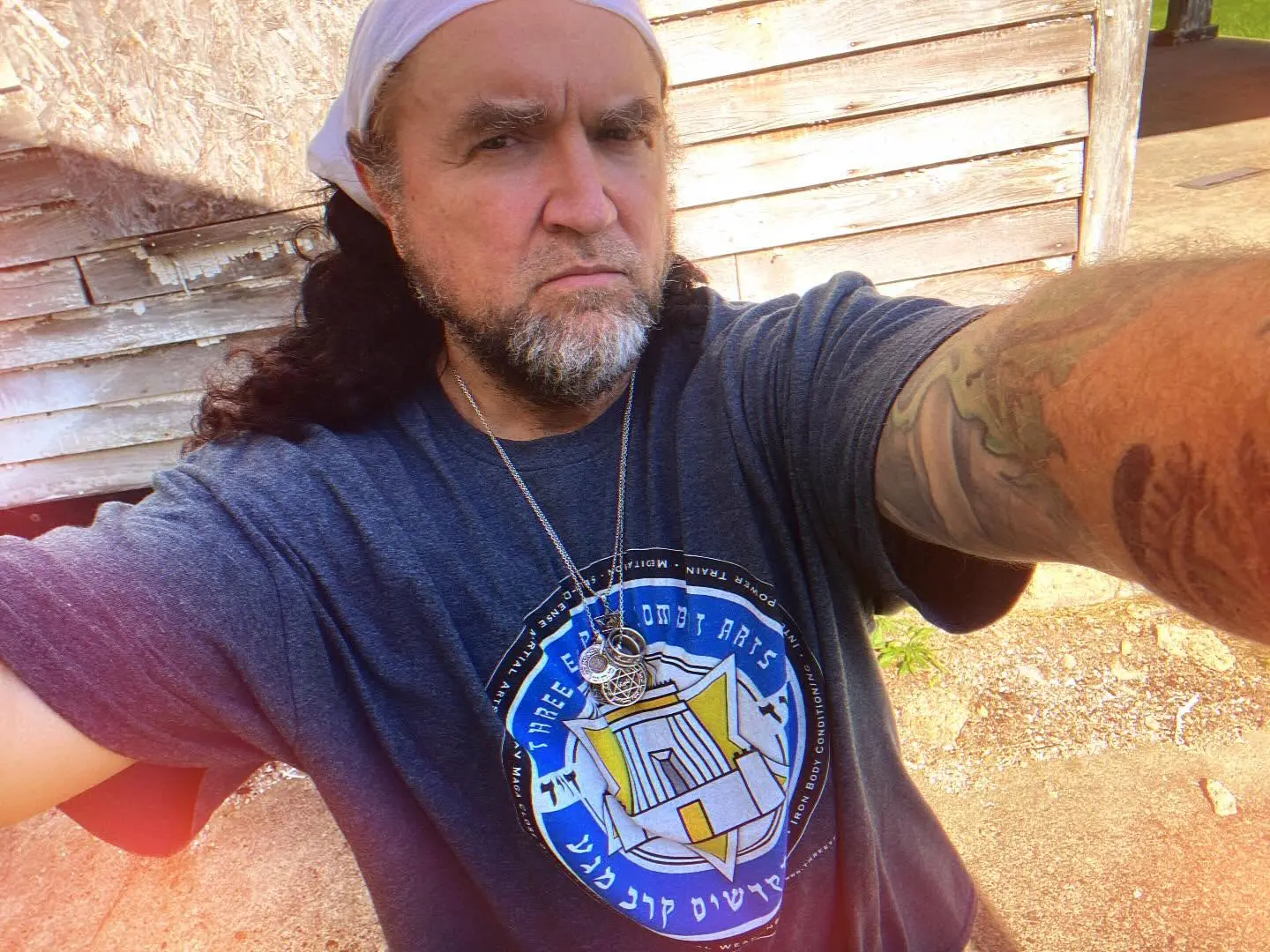
Dr. Micah Naziri wearing the Three Temples Combat Arts emblem
Three Temples

A martial identity expressed in English, Hebrew, and applied practice.

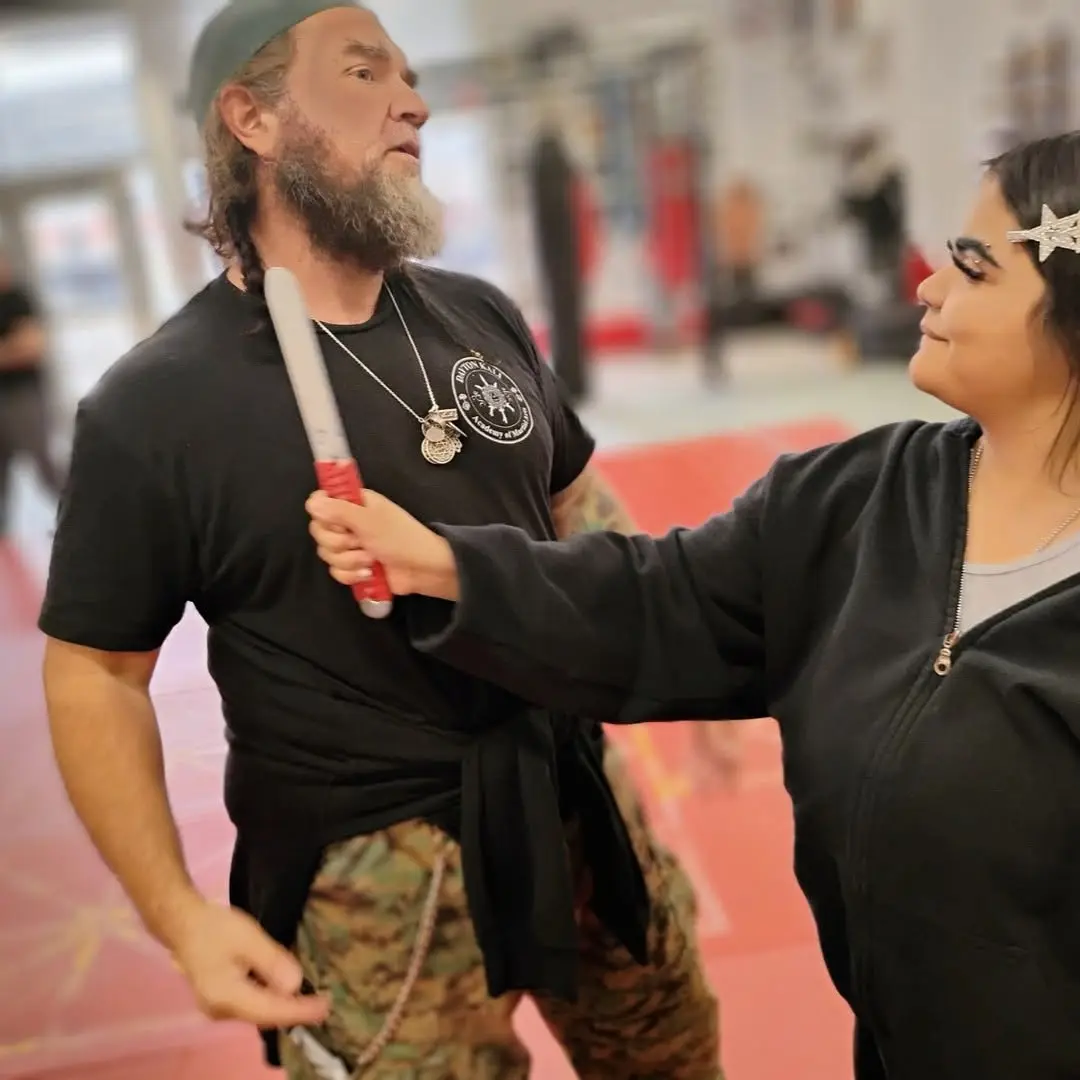
Dr. Micah Naziri practicing close-quarters weapons defense with a training partner
Krav Maga / CQB

Close-quarters weapons-defense training and immediate response.

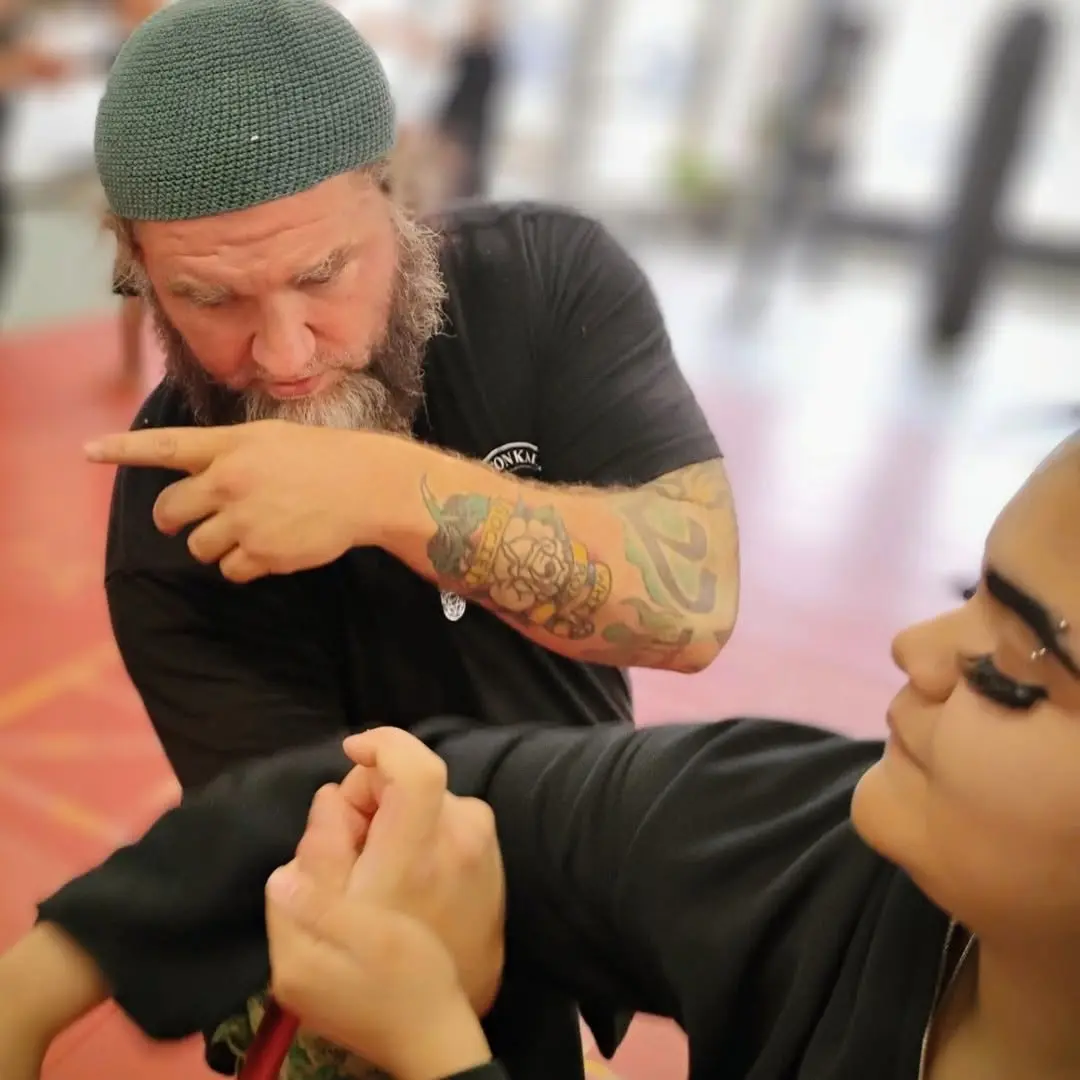
Dr. Micah Naziri teaching contact control to a training partner
Teaching through contact

Reading structure, line, pressure, and intention at close range.

Dr. Micah Naziri seated in meditation at the edge of the water
Internal cultivation

Breath, stillness, recovery, and meditative practice remain part of the martial path.

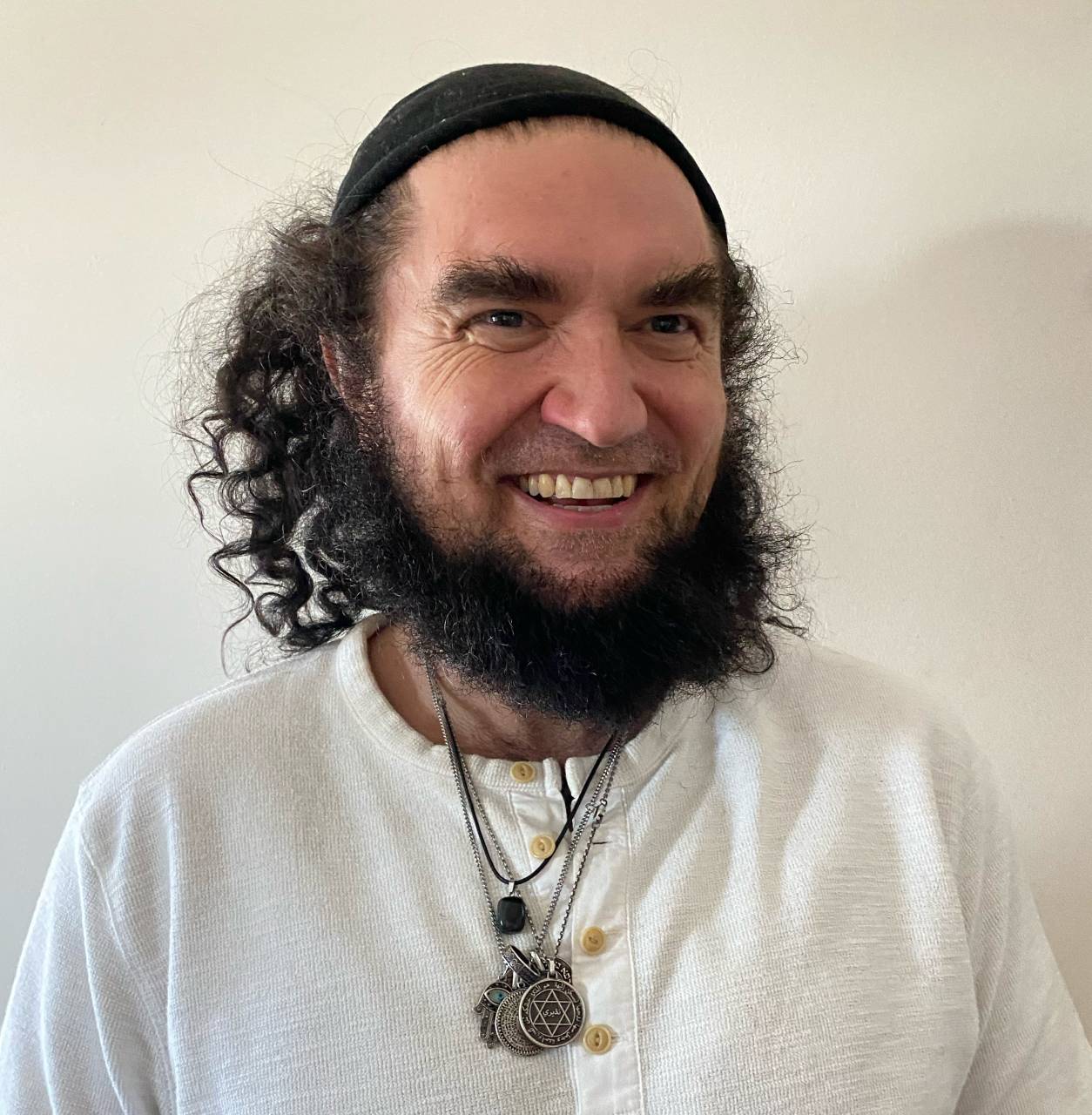
Portrait of Dr. Micah B. D. C. Naziri
Moreh Madrikh · Guru · Shifu

Dr. Micah B. D. C. Naziri.

קרב מגע · Close-Quarters Combat

Three Temples Combat Arts

שלושת המקדשים · אמנויות לחימה
Internal power · Conditioning · Tactical training · Meditation · Responsible defense

Instruction

Traditional systems taught without erasing their distinctions.

Three Temples preserves the identity, pedagogy, and lineage of each traditional system while teaching the structural relationships that allow them to be integrated responsibly. Black belts, black sashes, formal instructor certifications, direct authorizations to teach, and lineage recognition are identified as distinct forms of standing rather than treated as interchangeable labels.

Yang Taijiquan

Instructor certification and black-sash standing through multiple Yang-family lineages

Chen Taijiquan

Lao Jia, Xin Jia, Yi Lu, Er Lu or Pao Chui, jian, applications, and tuishou

Chen Pan-Ling Taijiquan

Instructor authorization in the hybrid Chen, Yang, and Wu curriculum

Cheng Baguazhang

Instructor-level study through distinct Cheng-style lines

Xingyiquan

Hebei, Shanxi, and Hunan Muslim-style lineages

Northern Shaolin

Bei Shaolin Quan Guoshu and the Taoist Tien Shan Pai curriculum

Israeli Krav Maga

Black-belt instructor standing and the Magen David method

Kali and Eskrima

Fifth-degree instructor-level Filipino empty-hand and weapons curriculum

Pencak Silat

Black Sash and Guru standing in Bukti Negara and Sera(k), with additional Inosanto-line study

Tactical firearms

CCW, defensive handgun, tactical rifle, precision work, urban movement, woodland tactics, cover, and threat psychology grounded in Tactical Defense Institute training

Zi Men Quan

Jiangxi-province Zi Men Quan, historically called Wudang Zi Men Quan

Neigong and Qigong

Standing practice, Hunyuan Qigong, Little Nine Heavens, Xi Sui Gong, and Taoist healing work

Iron Body and strength

Qigong weight training, progressive resistance, powerlifting, structural conditioning, recovery, and advanced supervised Xi Sui work

Three Temples

Integrated martial, tactical, meditative, conditioning, and self-defense instruction

Additional cross-training

Supplementary study has included Brazilian Jiu-Jitsu, traditional Muay Thai and Muay Boran, and several Chinese and Indo-Chinese Wing Chun lineages. Between approximately 2007 and 2011, Dr. Naziri trained privately on numerous occasions with Luiz Palhares, a senior student of Rickson Gracie, comparing neijia body mechanics with no-gi Brazilian Jiu-Jitsu. This cross-training is distinguished from formal Brazilian Jiu-Jitsu rank.

Selected credentials

A record of continuing formation.

Martial training beginsThe beginning of more than three decades of sustained martial practice.

Inosanto-line martial artsTraining begins under students of Guru Dan Inosanto, together with periodic direct training with Guru Inosanto.

Taiji, Baguazhang, and Yi-family internal KungfuBegins concurrent study of Taiji, Baguazhang, and Yi-family “internal Kungfu.”

Northern Shaolin and Tien Shan PaiBegins Northern Shaolin training through the Tien Shan Pai lineage.

Yang Taijiquan and BaguazhangBegins Yang-style Taijiquan and continues Baguazhang at the same school while training concurrently in Northern Shaolin and Tien Shan Pai.

Yang Taijiquan instructorshipBecomes an instructor in Yang-style Taijiquan.

Taoist lineageReceives lineage under Huang, Chien-Liang and the Taoist lineage name Seng, Hern-Heng.

Chen Pan-Ling TaijiquanAuthorized to teach by Chen Yun Ching, son of Chen Pan-Ling.

Northern Shaolin, Tien Shan Pai, and XingyiquanReceives the Northern Shaolin and Tien Shan Pai black sash after nine years of continuous study, together with separate black-sash standing in Xingyiquan through a school trained in concurrently.

Chen Jiagou TaijiquanBlack-sash recognition in Chen Village Taijiquan and the beginning of direct study with Chen Yaoze.

Cheng BaguazhangInstructor certification followed by additional lineage recognition in 2015.

Israeli Krav MagaBlack belt and instructor credentials following study in the United States and Israel.

Kali and EskrimaFifth-degree instructor-level recognition in Filipino martial arts.

Pencak SilatBlack Sash and Guru-level instructor recognition through Warrior Silat.

Teachers and lineages

Chen Taijiquan and the Chinese internal arts.

Dr. Naziri’s first Chen Taijiquan and Xingyiquan teacher was Sifu James McNeil. Through McNeil, his Lao Jia training followed a line from Chen Fake to Ban Wing-Chow. After McNeil told him in the late 2000s that he had exhausted the Chen Taijiquan material McNeil could teach, Dr. Naziri sought Jeff Radcliff, also known as Ji Dong, at McNeil’s recommendation. Radcliff later formally authorized him to teach within that line.

In 2010, Dr. Naziri became a direct student of Chen Yaoze, the son of Chen Qingzhou and a preserver of the Lao Jia tradition. Chen Yaoze became his principal Chen-family teacher, with extensive work in form, application, and tuishou. In 2012, he also began studying with Chen Bing, secondary to his work with Chen Yaoze. During repeated training sessions, including those held around 2014, he polished Er Lu, Pao Chui or Cannon Fist, and jianstraight-sword material with Chen Bing.

His wider Chen curriculum encompasses Lao Jia and Xin Jia, Yi Lu and Er Lu, Hunyuan Qigong associated with Feng Zhiqiang, standing practice, the major energies and postures, applications, weapons, and partner training. His Chen Pan-Ling Taijiquan authorization came through Chen Yun Ching, while his Cheng-style Baguazhang line includes early study under Shahid ʿAli and a Chen Pan-Ling-related transmission through Huang, Chien-Liang.

Other Chinese and Taoist formation includes Jiangxi Zi Men Quan; Little Nine Heavens transmitted from Chiao Chang-Hung through James McNeil; Taoist healing methods transmitted from Xu Ting-Ming through McNeil; and Xi Sui Gong, or Marrow-Washing Qigong, studied through McNeil and other teachers.

In current Three Temples instruction, this internal work is joined to Qigong weight training, powerlifting, progressive Iron Body conditioning, mobility, and recovery. Advanced Xi Sui methods are treated as private, risk-bearing practices requiring direct supervision—not as public challenges, spectacle, or medical cures.

Israeli, Filipino, and Indonesian lines

Dr. Naziri began Krav Maga training in 2005 with relatives, including Rabbi ʿOseh Ben David, also known as Oseh Davidson, in a line associated with Haim Gidon and Imi Lichtenfeld, or Imi Sde-Or. His training continued in California and Israel. Within Three Temples, this formation contributes to the living practice, restoration, and teaching of Israelite martial culture and the Magen David system of Krav Maga outside Israel.

His Filipino martial-arts standing culminated in fifth-degree instructor recognition in Kali and Eskrima in 2023. His dedicated Silat school is Warrior Silat, whose curriculum combines Bukti Negara and Sera(k) through the de Thouars family. That line exists alongside, rather than in place of, the Inosanto-line training he began under Guru Dan Inosanto’s students—and periodically with Guru Inosanto himself—between 1996 and 1999.

Teaching and applied training

Traditional practice tested against modern conditions.

Dr. Naziri has taught in Ohio, California, Nevada, Israel, and other settings. Under Manuel Taningco, he taught through TAMA Martial Arts, the Kettering Recreation Complex, the Greene County Career Center, and Cox Arboretum, with activity at the Kettering and Cox sites dating to 2007 and at the career center to 2008. He has also taught regularly at the Thunder Springs community in Erie, Pennsylvania, and serves as an instructor at Warrior Silat.

His invited seminar teaching has included outdoor Hun Yuan Qigong connected with a Sundance “Pow Wow” gathering in Erie near Mercyhurst College, now Mercyhurst University. That history continues through traveling intensives organized by a pre-paying or pre-donating Martial Minyan of at least ten participants.

His applied background includes extensive training at tactical firearms academies with veteran SWAT officers, together with long study in psychology, criminal justice, and social psychology. That work informed curricula addressing behavioral recognition, profiling and background awareness, cultural and political context, hand-to-hand defense, handgun and rifle work, concealed carry, long-range marksmanship, close-quarters blade defense, and the responsible movement between concealment and cover.

The knowledge gained through Pencak-Silat-based tactical training was brought into conversation with the internal mechanics of the Chinese arts and the modern self-defense concerns of Krav Maga, Kali, grappling, and weapons systems. This did not create a random mixture of techniques. It became the philosophical and structural foundation of Three Temples Combat Arts and its integrated Krav Maga / Close-Quarters Combat method.

06 · Applied firearms formation

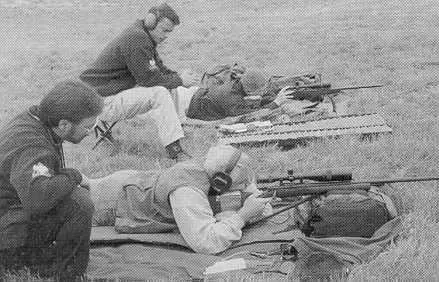
Archival Tactical Defense Institute firearms training on an outdoor range
Tactical Defense Institute · Southern Ohio

Firearms and tactical training

Silat principles carried into the armed environment.

Dr. Naziri trained extensively at Tactical Defense Institute near West Union in southern Ohio under its founder, John Benner. Benner was an Army military policeman and a forty-five-year law-enforcement veteran who served twenty-five years with the Hamilton County Police Association Regional SWAT Team, including twenty years as a SWAT commander. TDI brought that operational background into serious firearms and physical self-defense training for civilians, law enforcement, military personnel, and security professionals.

Benner’s own study under Pendekar Paul de Thouars placed him within the same Bukti Negara and Sera(k) Silat stream that would become a central part of Dr. Naziri’s later Silat formation. As Dr. Naziri encountered it, TDI methodology was not simply marksmanship with a martial-arts label attached. It functioned as an armed expression of Silat logic: angulation, footwork, structure, positional control, economy of movement, the use of terrain and cover, and decisive transitions under pressure.

That continuity helped Dr. Naziri connect advanced firearms work to the broader Three Temples approach. Empty hand, blade, stick, handgun, and rifle are not treated as unrelated worlds. Their mechanics change, but the underlying problems of distance, line, timing, positioning, protection, judgment, and responsibility remain connected within an overarching Krav Maga / CQB framework.

01

CCW and defensive handgun

Concealed-carry preparation, defensive pistol fundamentals, presentation, movement, maintenance, and responsible armed readiness.

02

Urban tactics

Awareness, use of space, movement through built environments, cover and concealment, structure-search concepts, and protection of others.

03

Tactical rifle

Practical long-gun handling, movement, positional work, transitions, and the integration of the rifle into a wider defensive system.

04

Precision and distance

Long-range marksmanship, observation, breath, stability, patience, and disciplined decision-making before action.

05

Woodland tactics

Environmental awareness, field movement, use of terrain, navigation through natural cover, and adaptation outside the urban setting.

06

Threat psychology and judgment

Behavioral recognition, mental conditioning, lawful and ethical force decisions, shoot-or-no-shoot judgment, and preparation for consequences.

Within Three Temples, this training informs responsible defense and tactical understanding. Firearms work is approached through safety, legality, demonstrated competence, ethical restraint, and training appropriate to the participant’s experience.

קרב מגע · Close-Quarters Combat

Three Temples and the Magen David method.

Tradition is preserved as tradition; integration occurs through structure, timing, geometry, and ethical purpose.

Three Temples uses Krav Maga—literally “contact combat”—as the overarching Close-Quarters Combat frame for cross-training developed through years of concurrent study in separate lineages. It identifies the structural, tactical, contemplative, and ethical principles through which distinct systems can enter a natural and contextually appropriate relationship without losing their own identities.

Heaven

Long range

Distance, movement, entry, and engagement before the close.

Human

Close quarters

Striking, clinch work, trapping, and immediate control.

Earth

Balance and ground

Throws, sweeps, takedowns, positional control, and grappling.

01

Simultaneous defense and attack

Interlocking Magen David geometry organizes upper-body, lower-body, and striking triangulation in three dimensions.

02

Minimum movement

Maximum efficiency is sought through the minimization of unnecessary motion: they depart first, but we arrive first.

03

Principles across tools

The same geometry is applied to empty hand, firearm, straight blade, kerambit, stick, and sword, with weapons training proportioned to demonstrated skill and responsibility.

04

Movement, cover, and threat psychology

Applied study addresses concealment, drawing, movement to and from cover, and threats encountered at houses of worship, on the street, and around demonstrations or other public events.

The Magen David curriculum is directed toward personal cultivation, meditation, health, ethical discipline, and the defense of self, family, congregation, and community. Private and semi-private instruction is offered by invitation or following substantial vetting.
Private and semi-private training

Study the systems. Understand the method.

Three Temples instruction is organized around lineage, skill level, contextual application, and accelerated learning in a focused and supportive environment.