 Three Temples Combat Artsשלושת המקדשים · אמנויות לחימה · קרב מגע / CQB
1994—present
The martial journey.
Teachers. Lineages. Practice. Testing. Teaching. Continuing formation.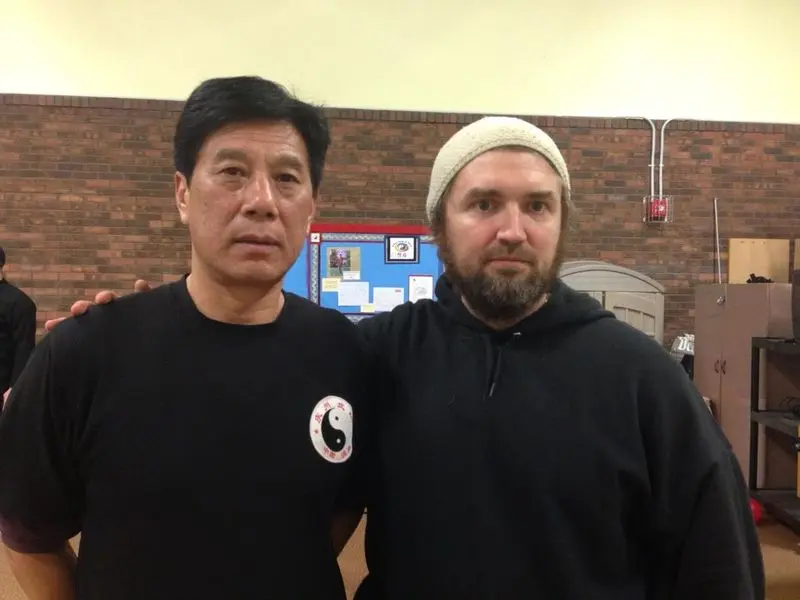
Chinese martial formation
Northern Shaolin, Tien Shan Pai, Taijiquan, Baguazhang, Xingyiquan, Qigong, teachers, partners, and the long work of transmitted practice.
Early Northern Shaolin and Tien Shan Pai training.
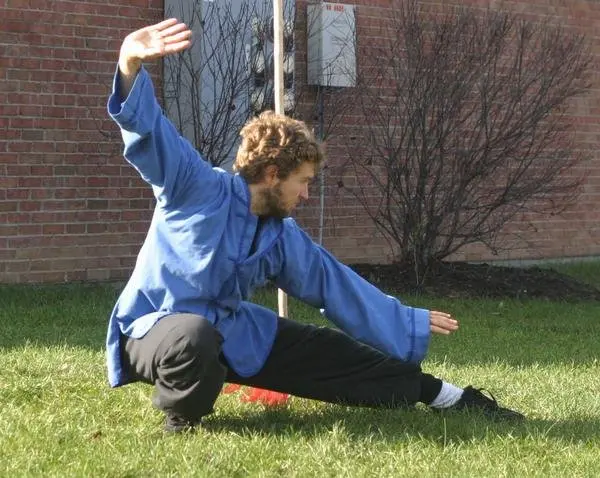
Stance, mobility, conditioning, and traditional form practice.
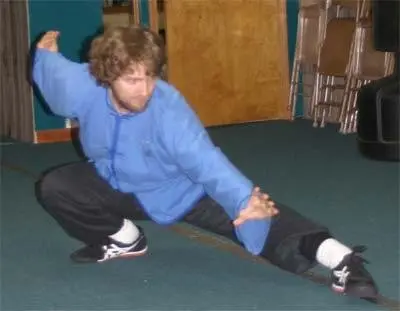
Low-stance training during the early Northern Shaolin curriculum.
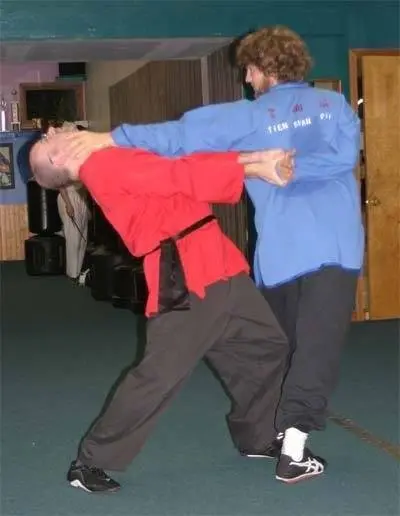
Partner application within the Northern Shaolin curriculum.
Long-weapon practice within the early Chinese martial-arts training years.
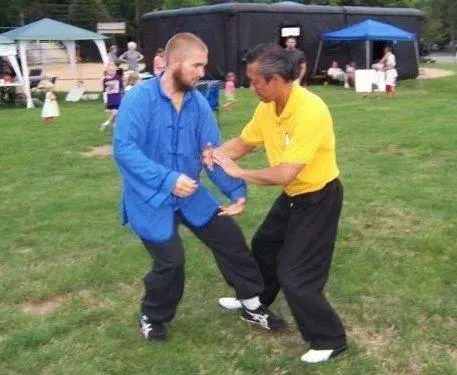
Outdoor Chinese martial-arts training during the formative years.
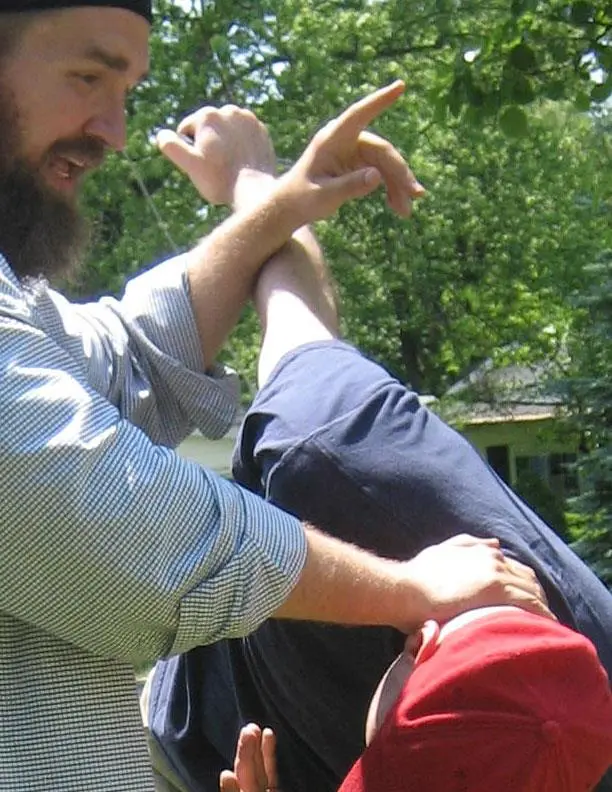
Structure, balance, joint control, and the reading of pressure.
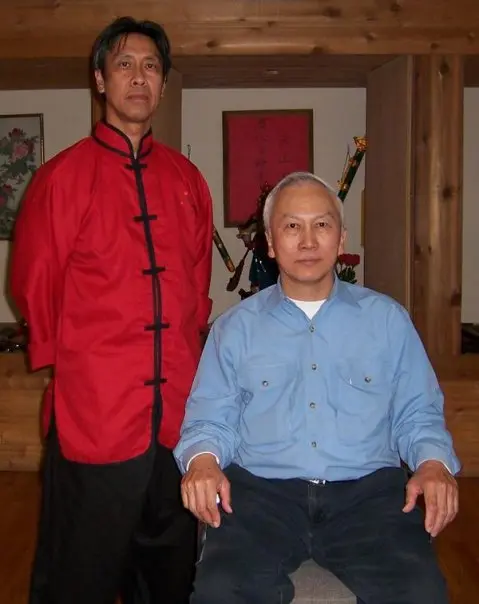
Senior teachers within the association through which Northern Shaolin and Taoist formation were transmitted.
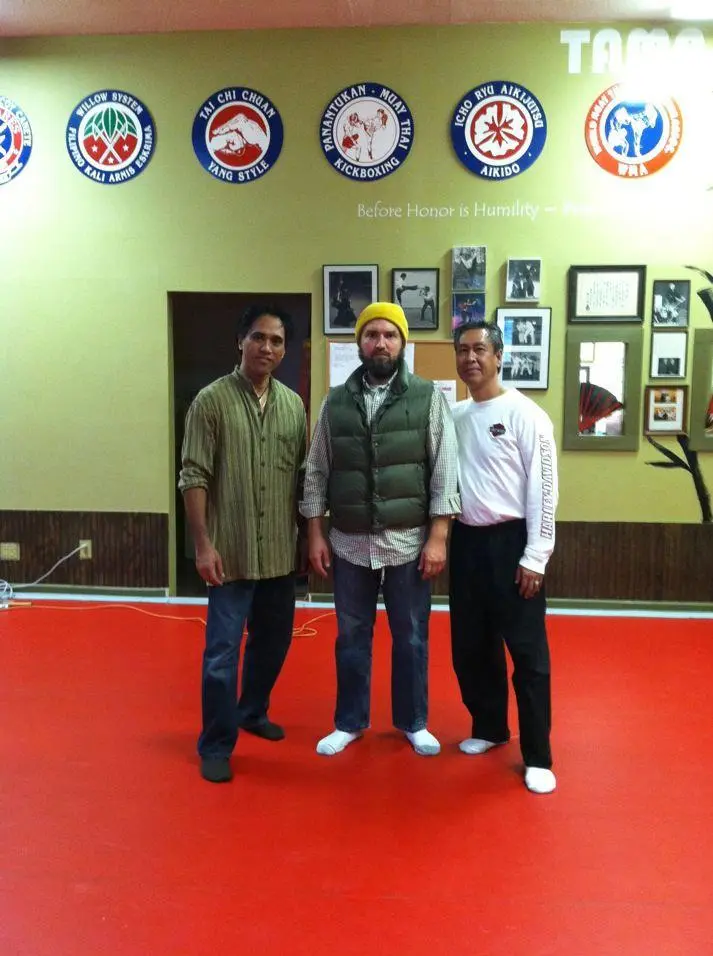
Training relationships formed through years of concurrent study.
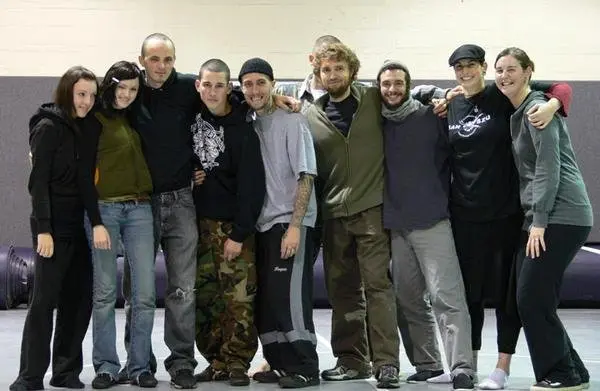
With fellow practitioners during the early years of concurrent martial study.

A training community formed through shared practice, seminars, and years of study.
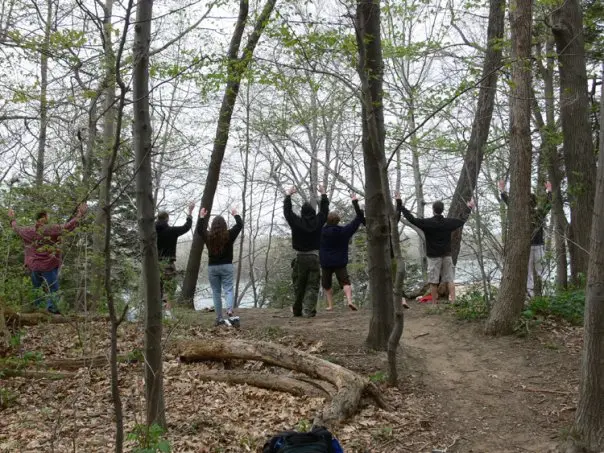
Outdoor internal cultivation as a shared practice.

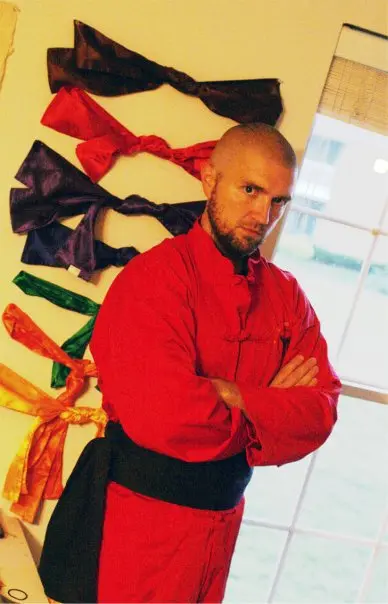
With his first Chen Taijiquan and Xingyiquan teacher after black-sash testing in Chicago.

With Sifu James McNeil and fellow practitioners.
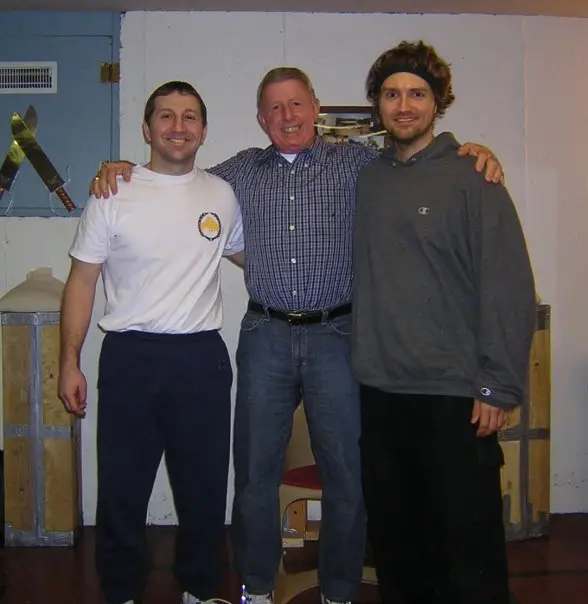
A training relationship that shaped both Chen Taijiquan and Xingyiquan formation.
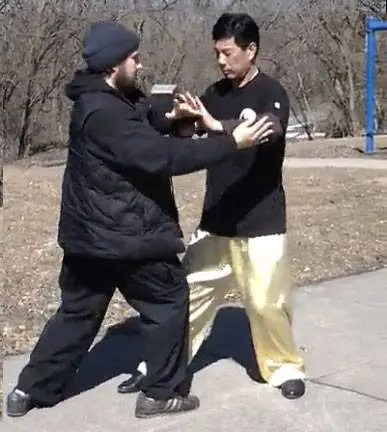
Tuishou and direct study within the Chen Qingzhou–Chen Yaoze Lao Jia line.
With Chen Yaoze during years of form, application, and tuishou study.
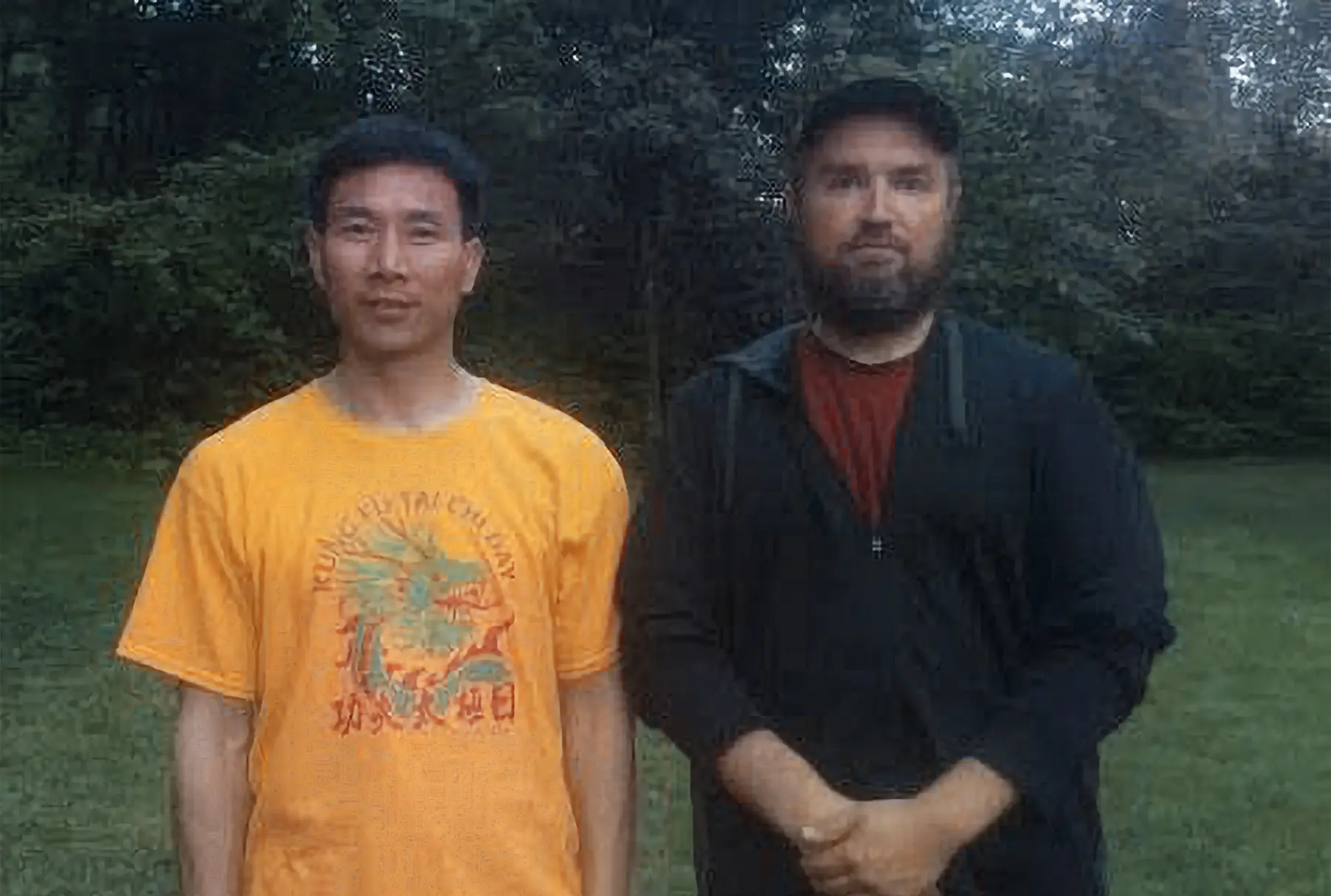
One of repeated periods polishing Er Lu, Pao Chui or Cannon Fist, and jian material.
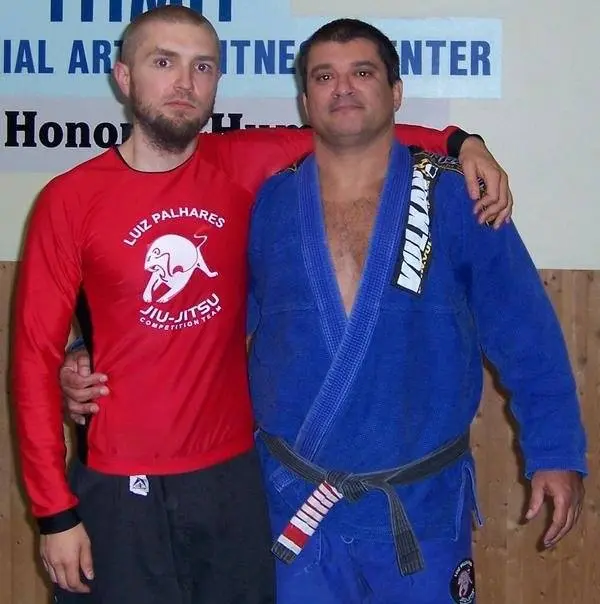
With Luiz Palhares during the years of private no-gi cross-training and comparison with neijia mechanics.
Applied and close-quarters formation
Tactical firearms, Kali, Eskrima, Pencak Silat, Krav Maga, weapons awareness, partner training, control, and translation across ranges.
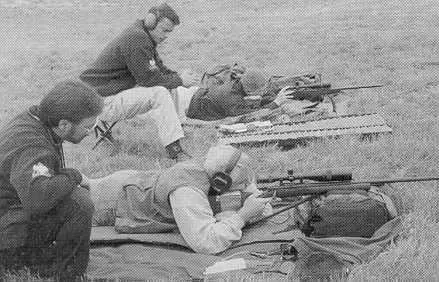
Firearms formation under John Benner, connecting defensive shooting, movement, cover, urban and woodland tactics, and a Silat-informed tactical method.
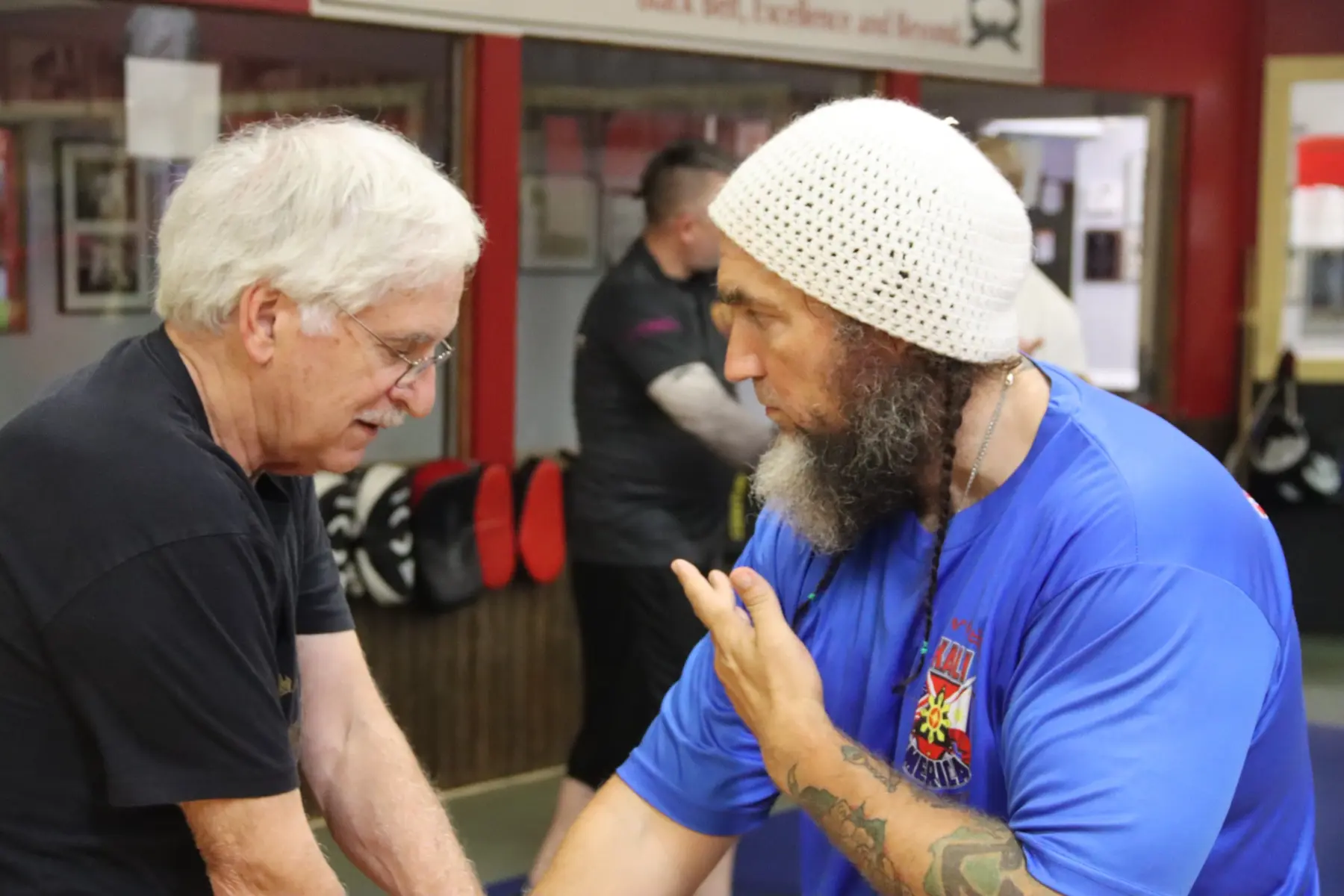
Partner sensitivity, tactical dialogue, and the study of line and timing.
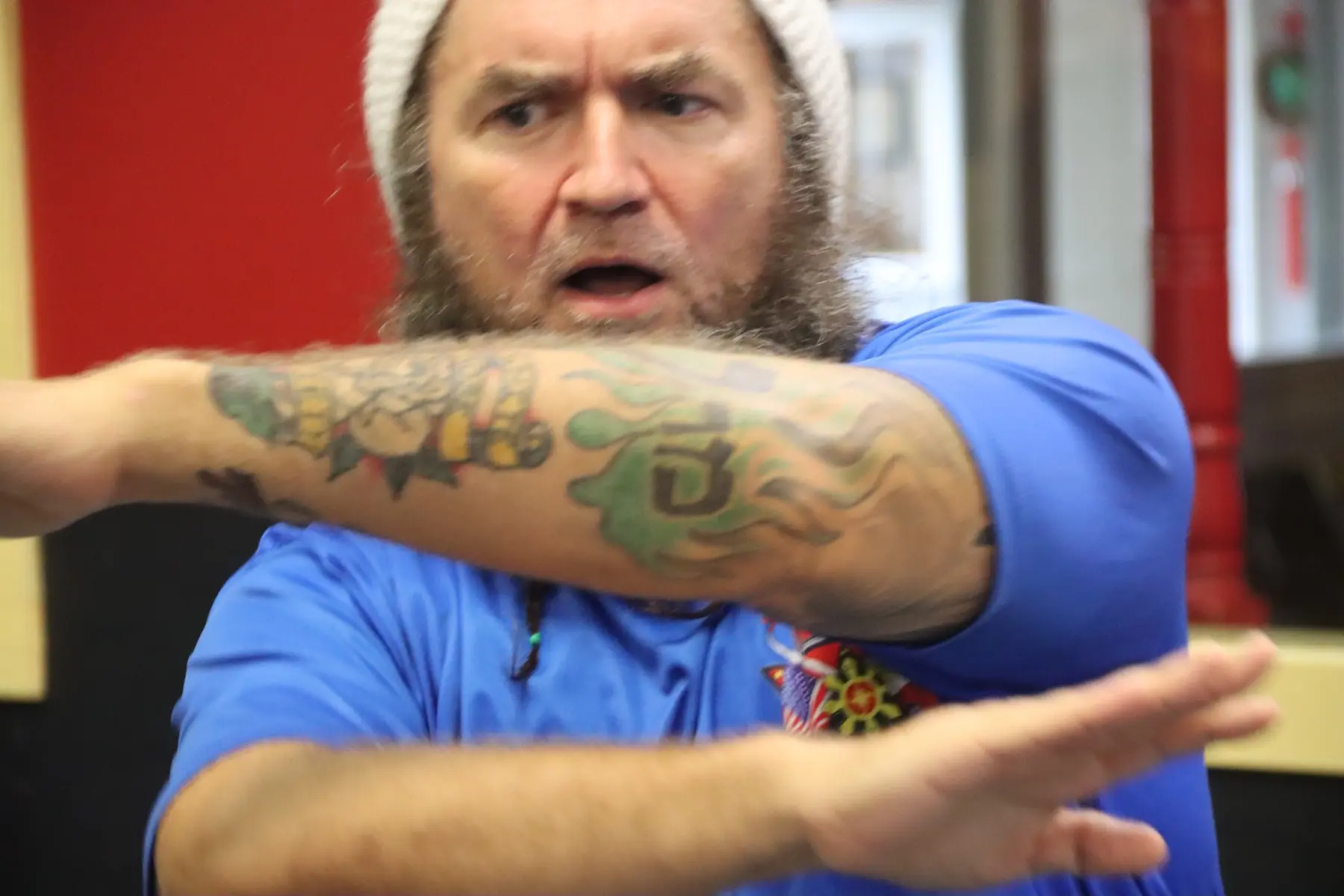
Empty-hand translation of Filipino weapons principles.
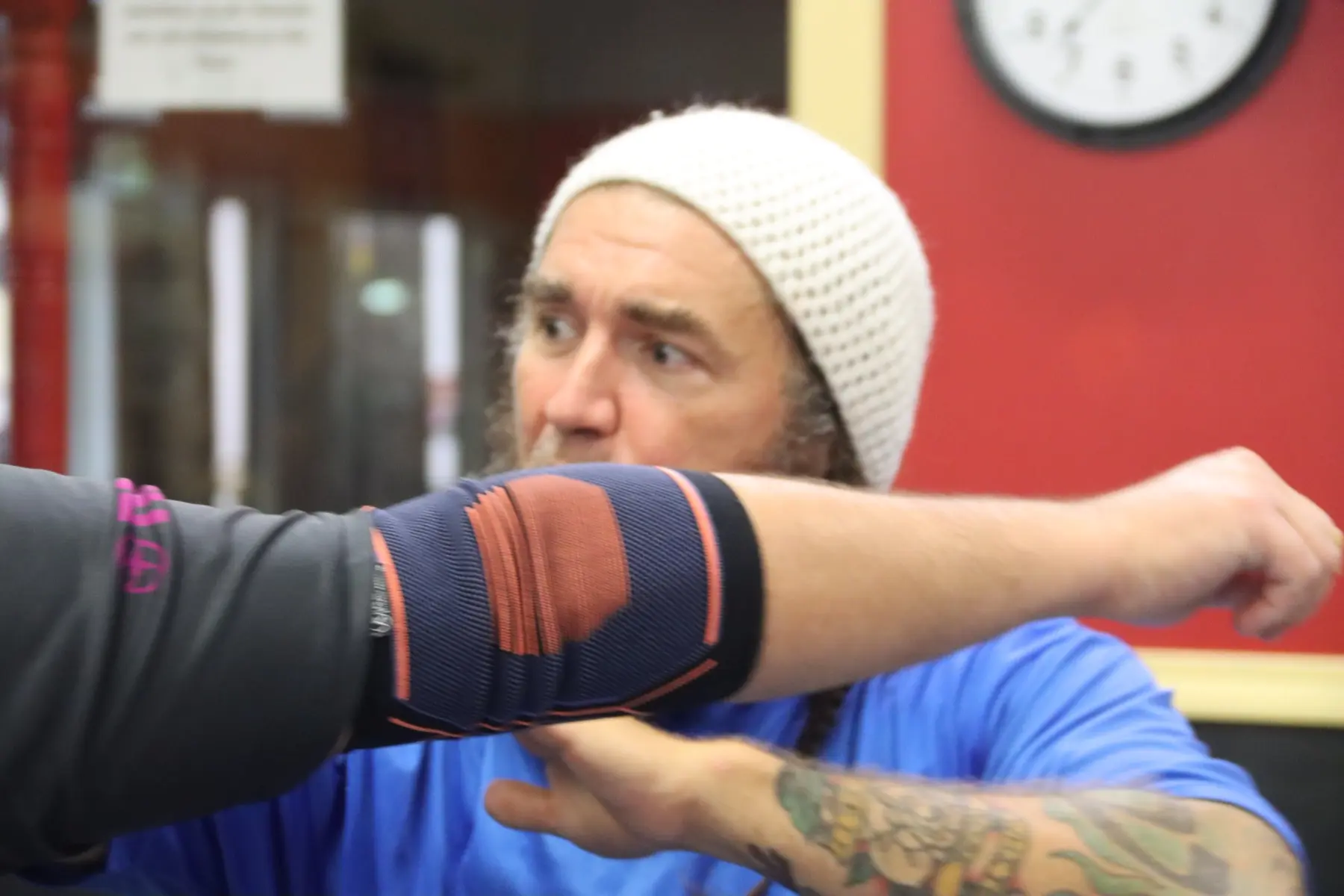
Reading the line of attack and entering without wasted movement.
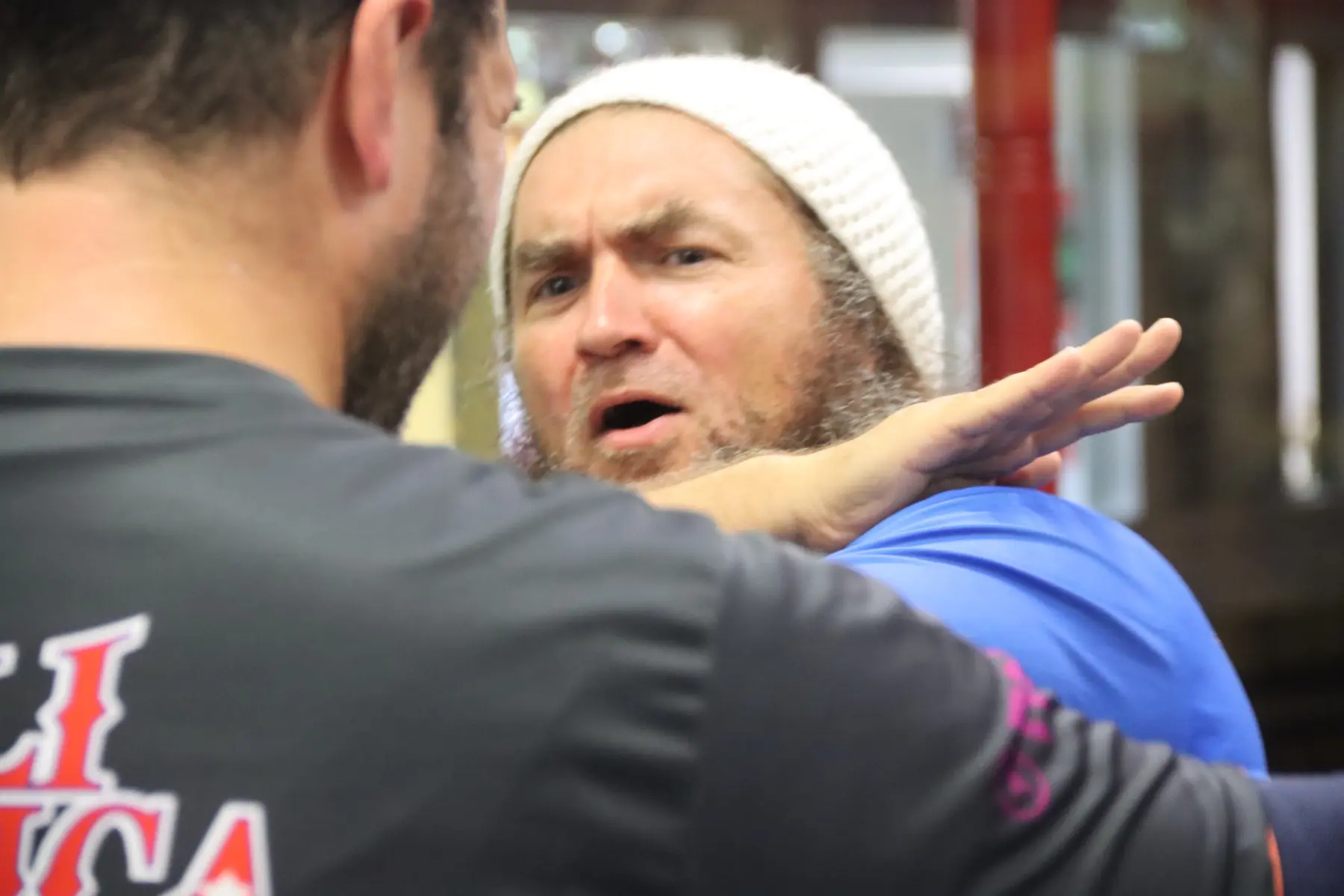
Hands, forearms, position, and pressure inside immediate striking distance.
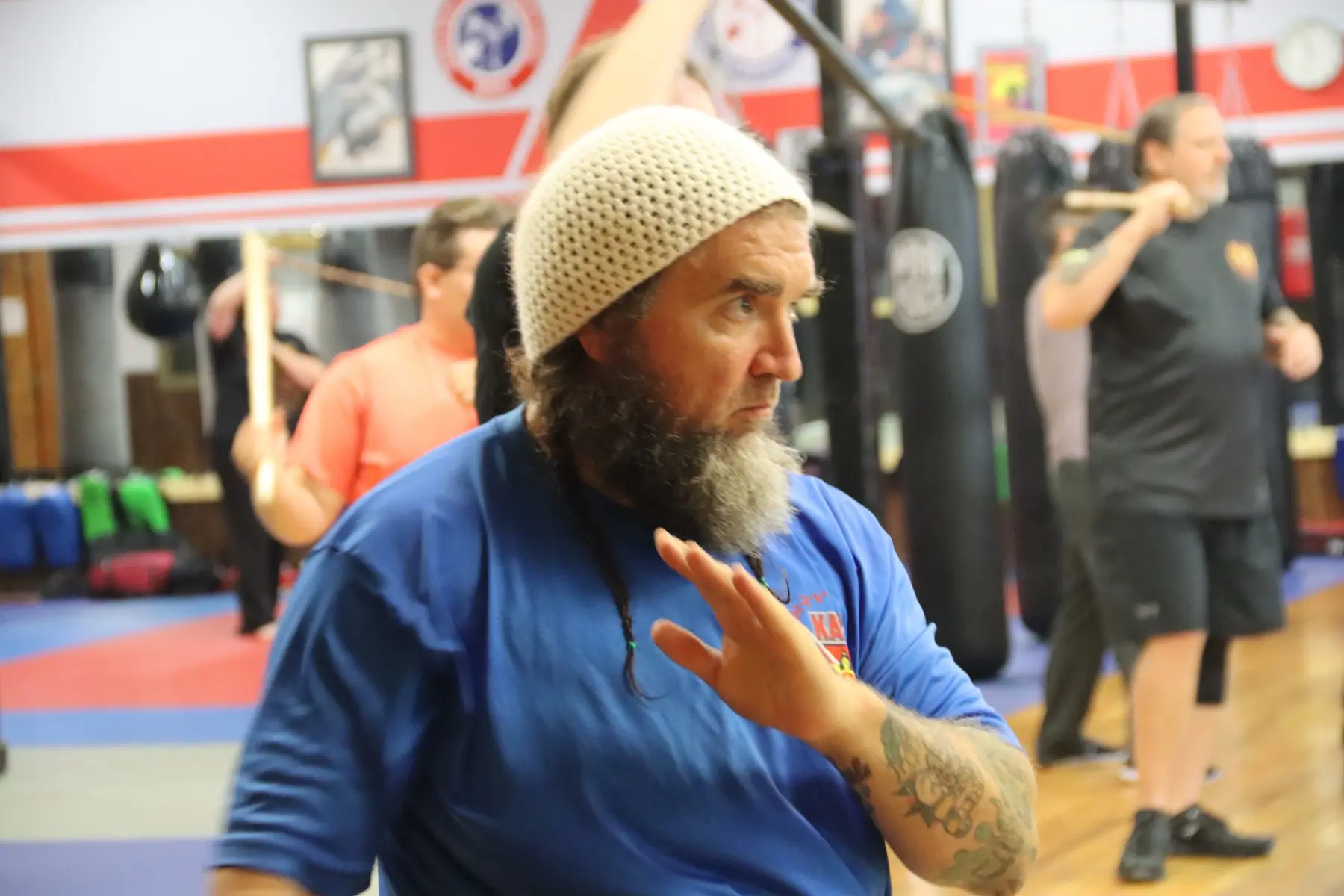
Continuing practice within Kali and Eskrima.
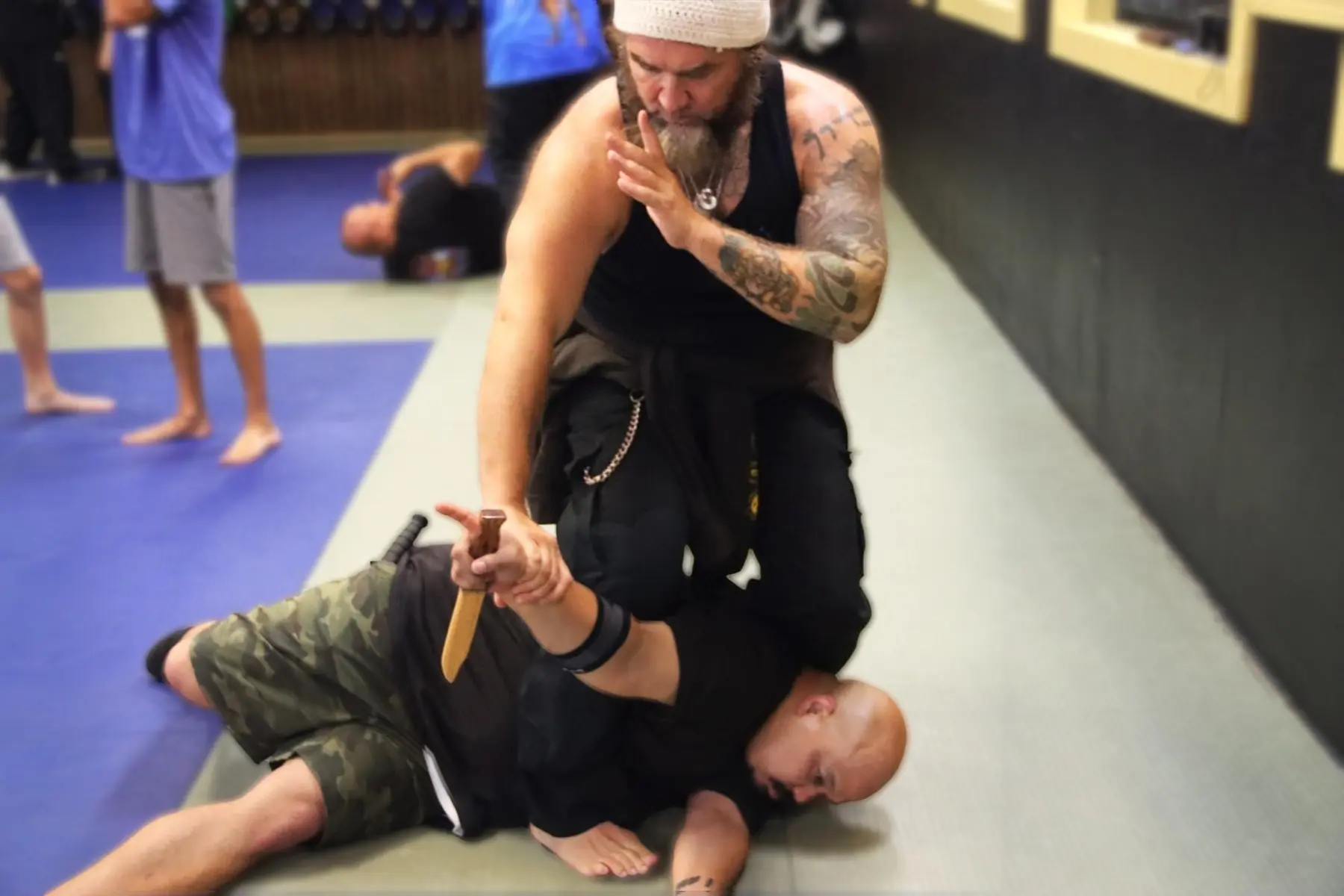
Blade awareness, positional control, and the transition from standing to the ground.
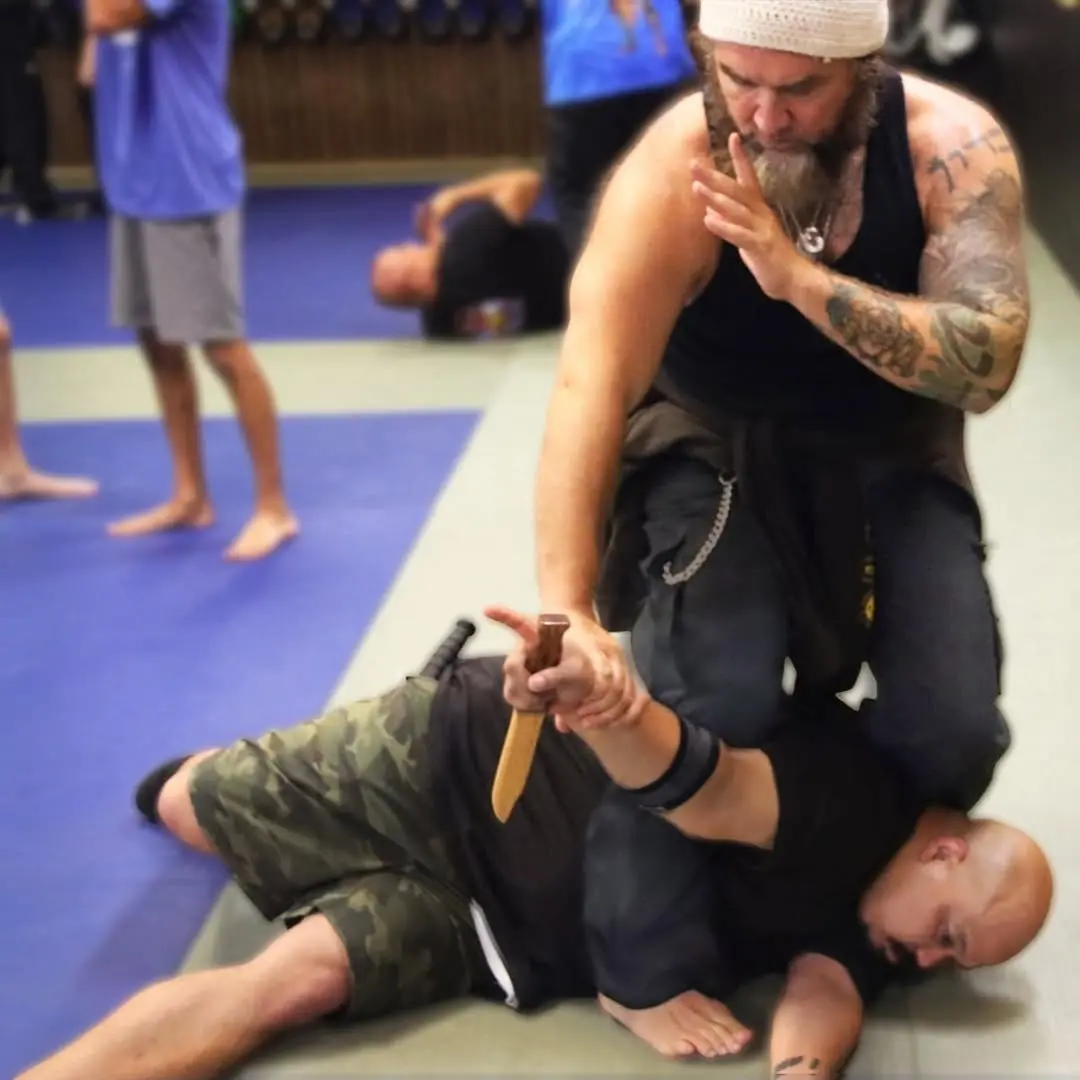
Balance, compression, and control against a training blade.
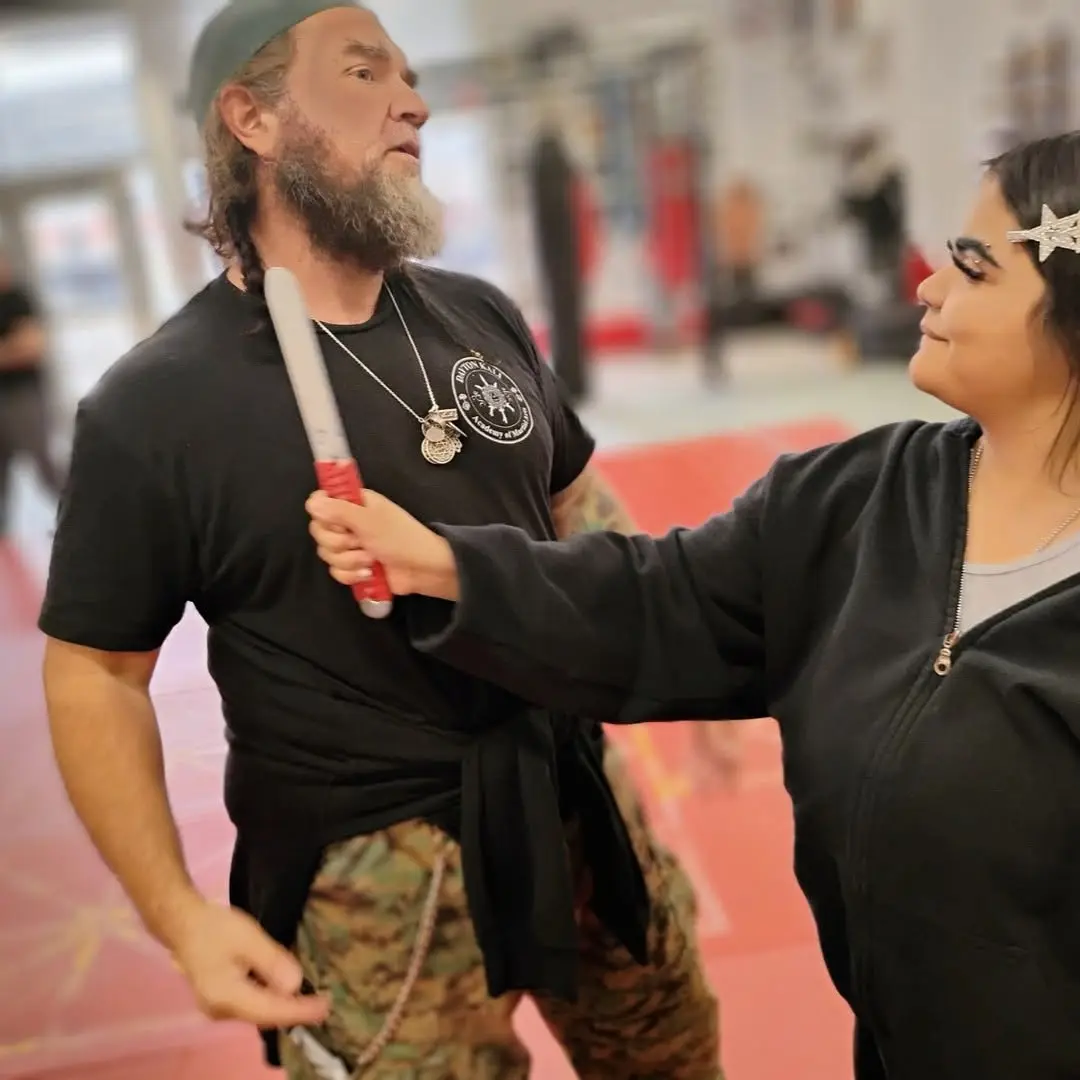
Immediate response at the range where a weapon has already entered the body’s space.
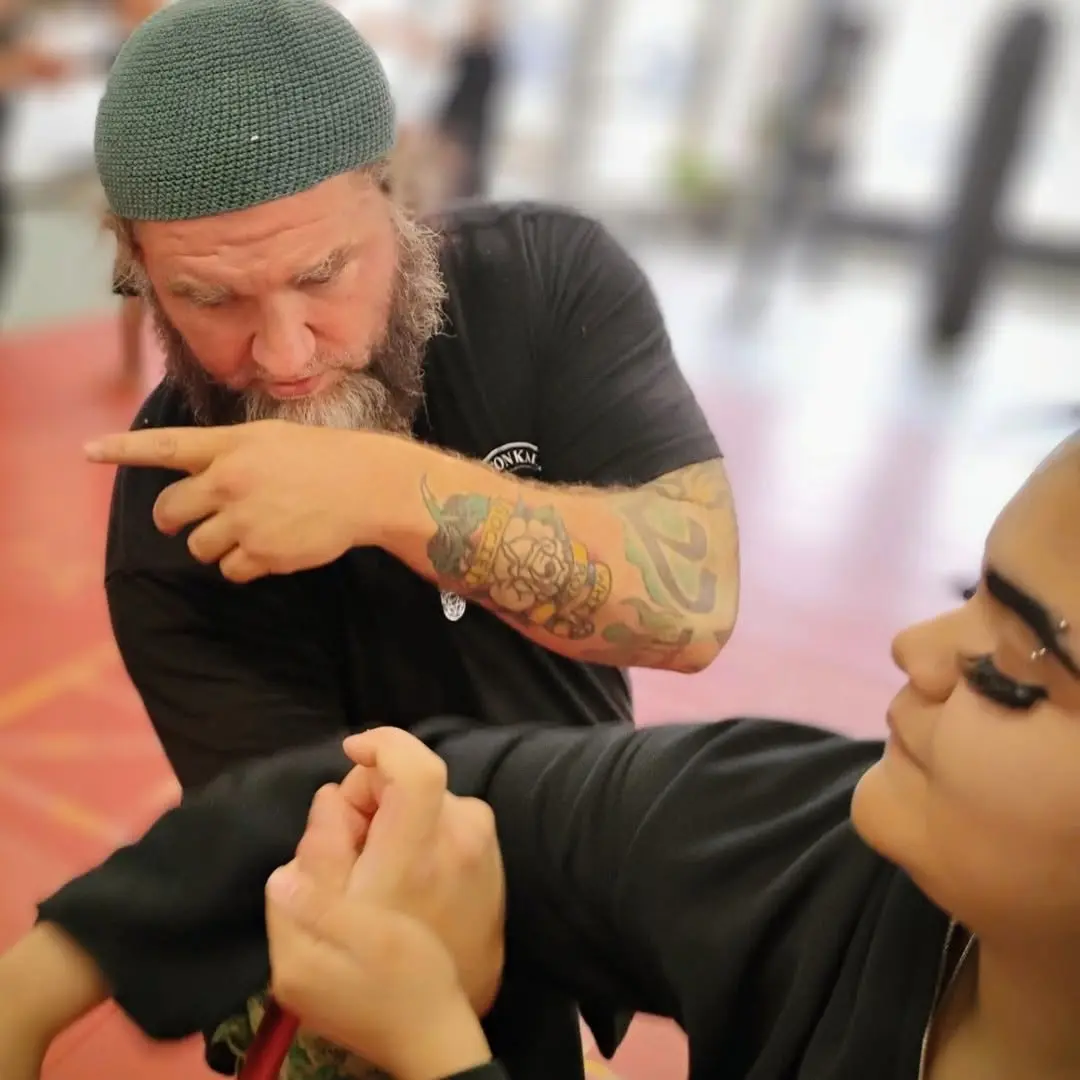
Teaching structure, contact, line, pressure, and intention.
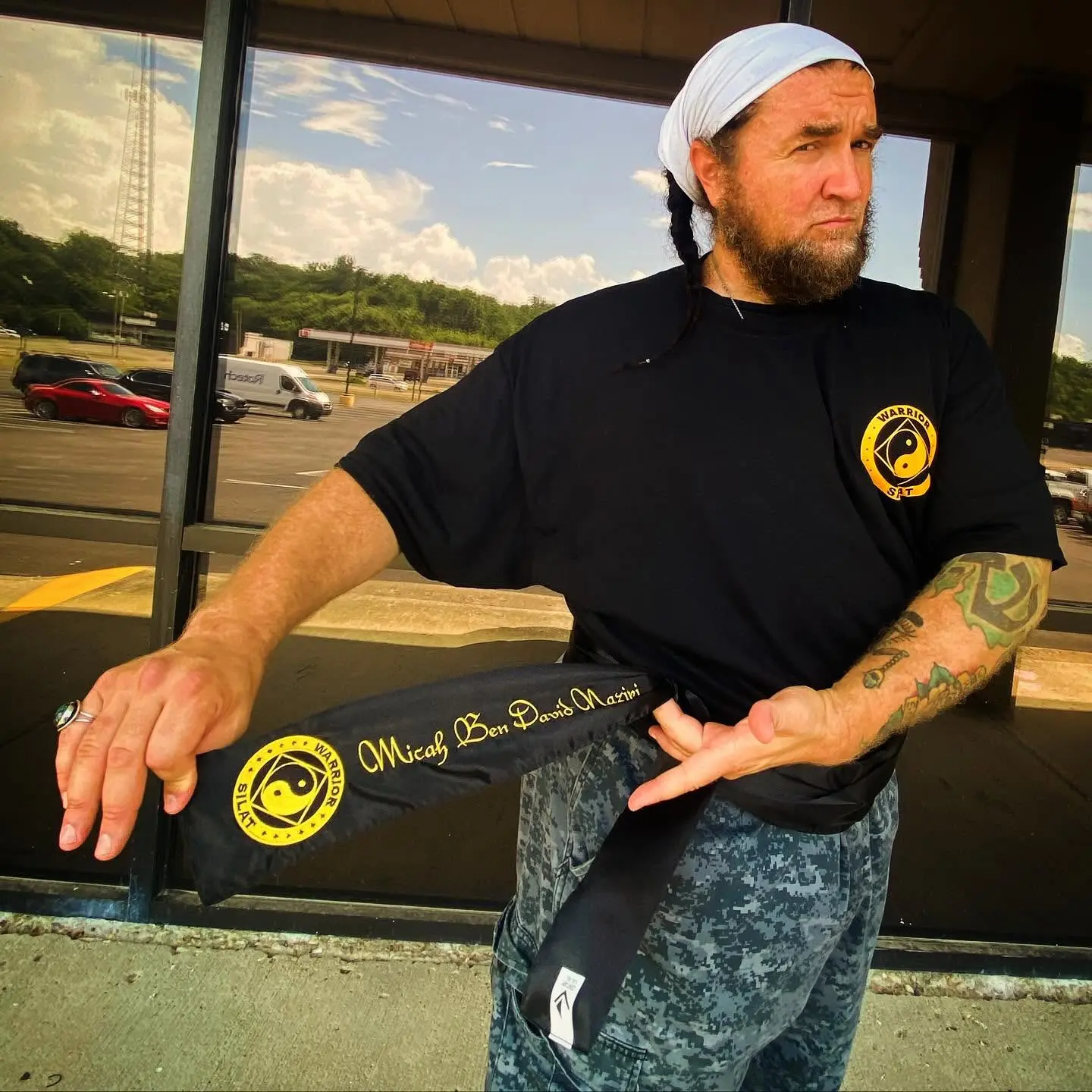
Black Sash recognition in the combined Bukti Negara and Sera(k) curriculum.
A living practice
The journey continues through cultivation, instruction, community responsibility, and Three Temples Combat Arts.
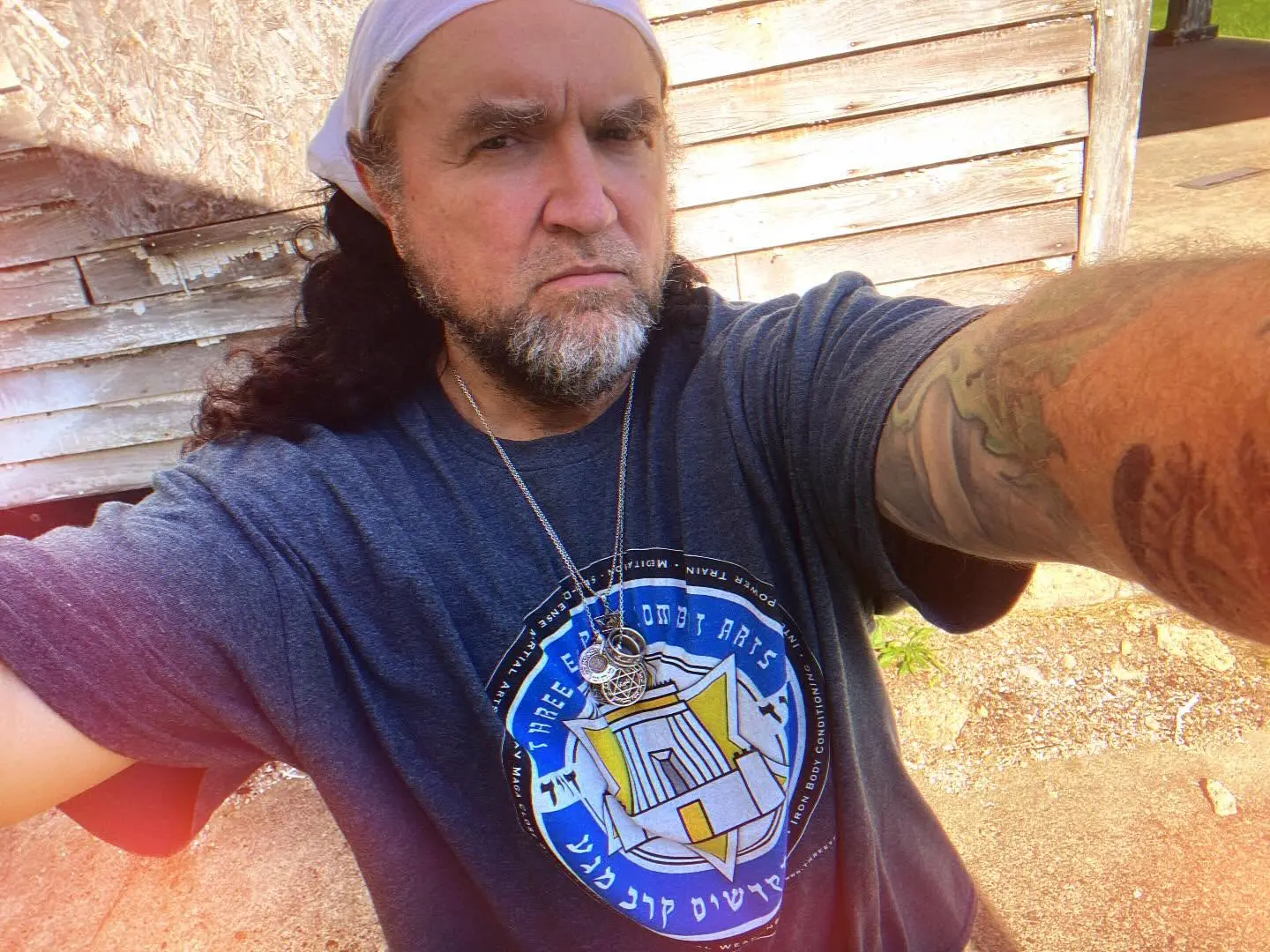
A school formed from decades of practice, teaching, lineage, and integration.

Breath, stillness, recovery, and meditative practice remain within the martial path.
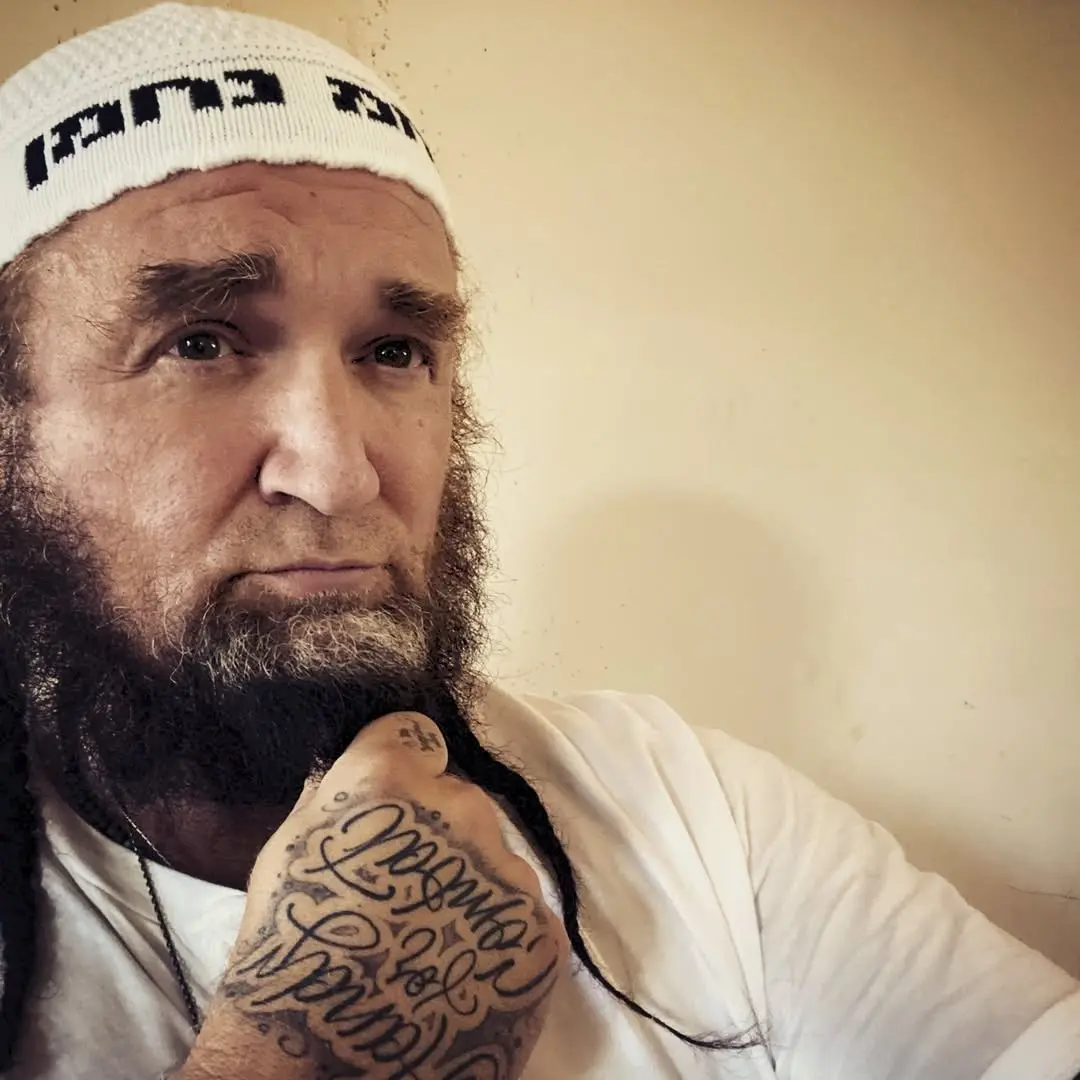
Dr. Micah B. D. C. Naziri.
Strength, seminars, and communal responsibility
Qigong, strength training, Magen David geometry, weapons context, traveling instruction, public responsibility, and continuing study.
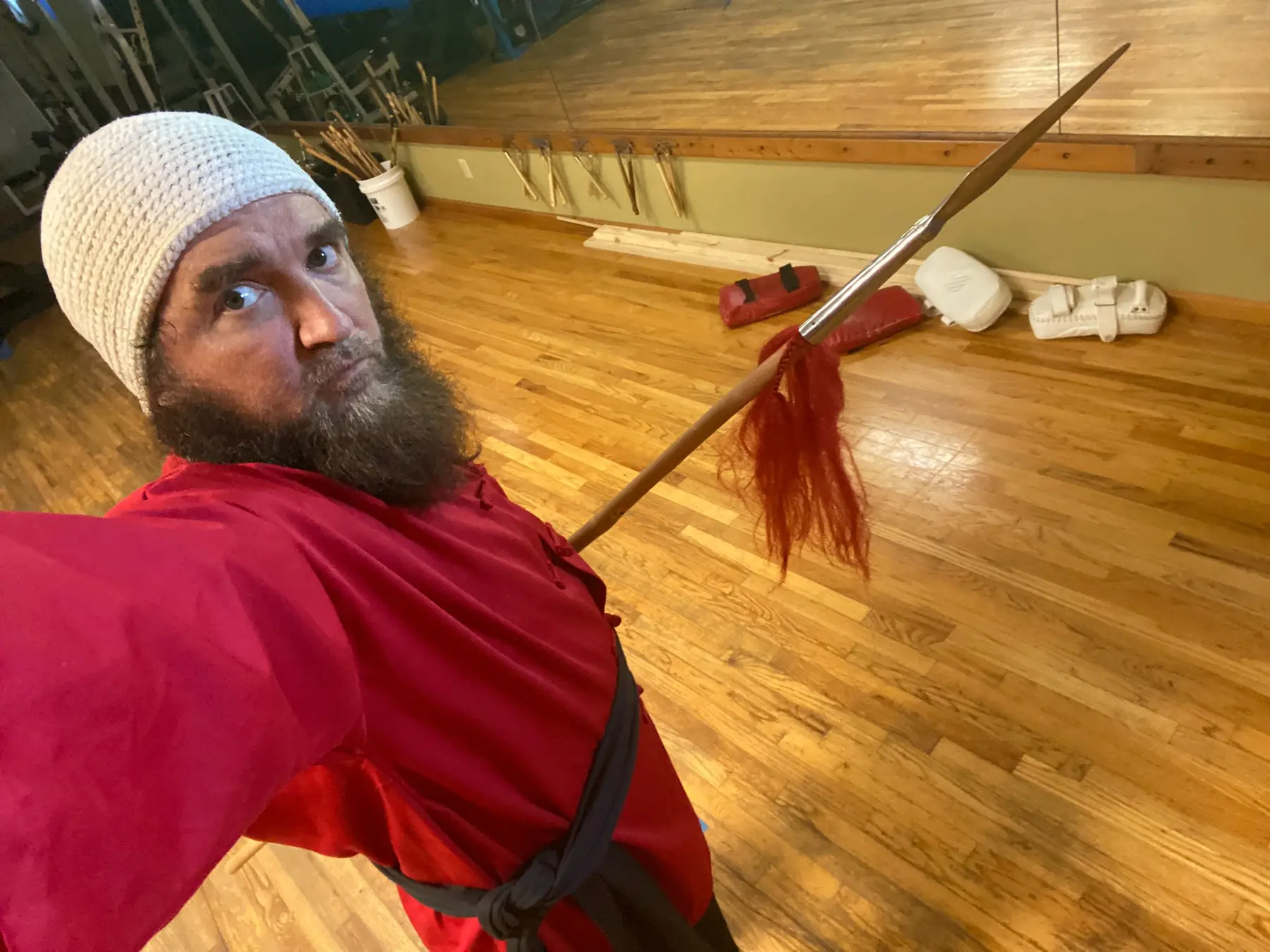
Grip, stance, waist, line, spatial awareness, and whole-body power through long-weapon work.
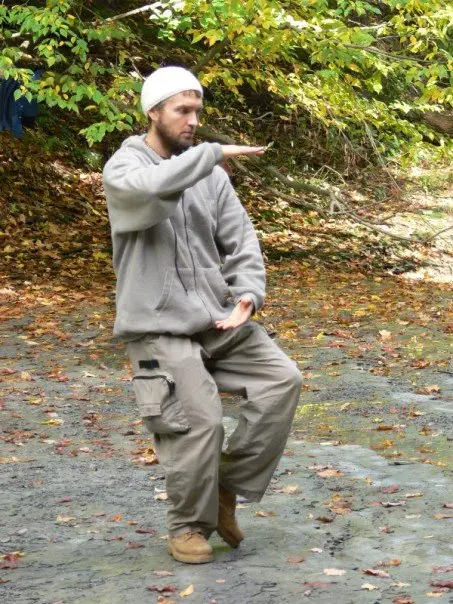
Breath, balance, attention, and internal organization practiced in the open air.

Outdoor Hun Yuan Qigong connected with a Sundance ‘Pow Wow’ gathering near Mercyhurst College, now Mercyhurst University.
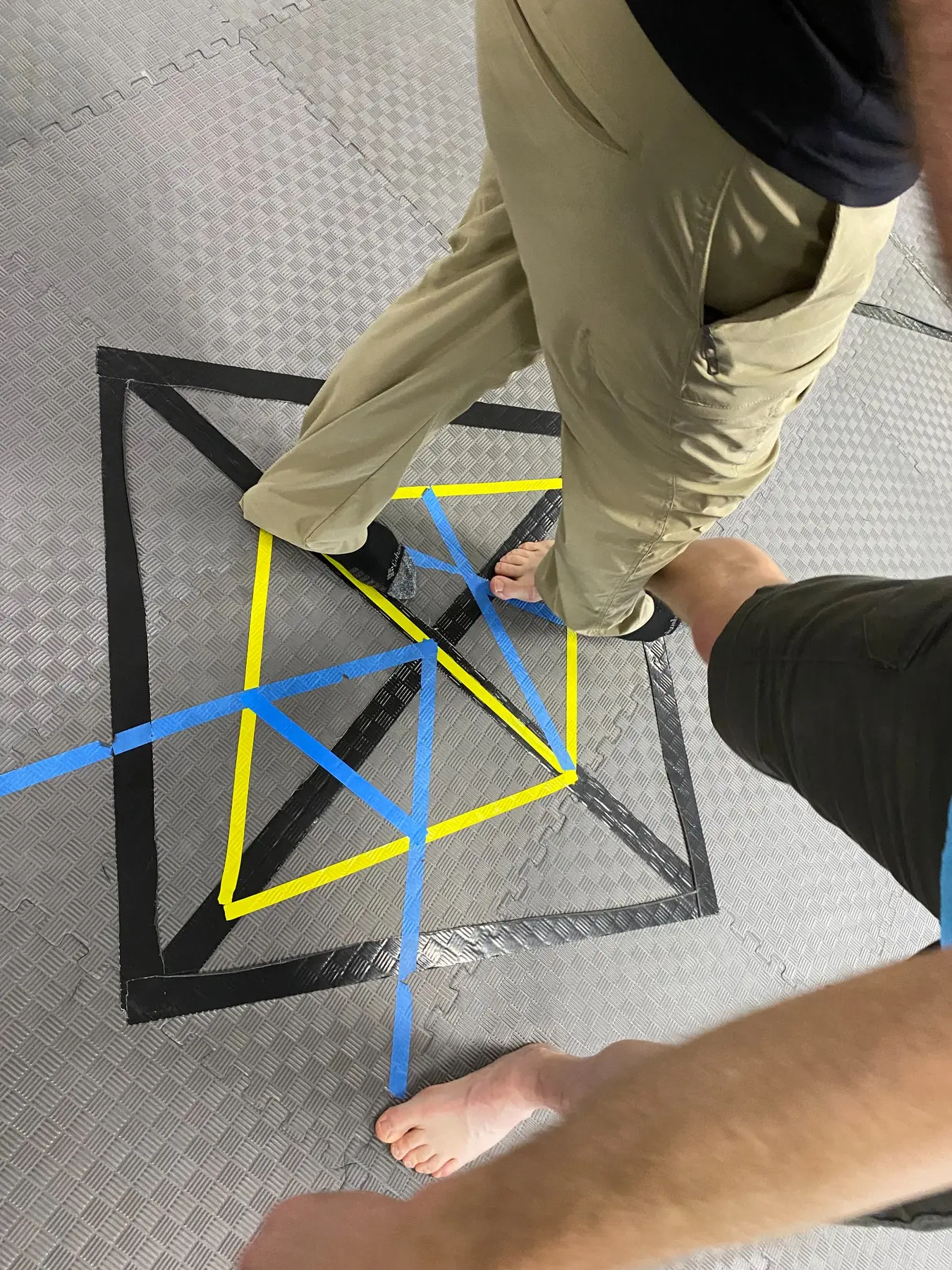
Foot placement and triangular relationships made visible on the training floor.
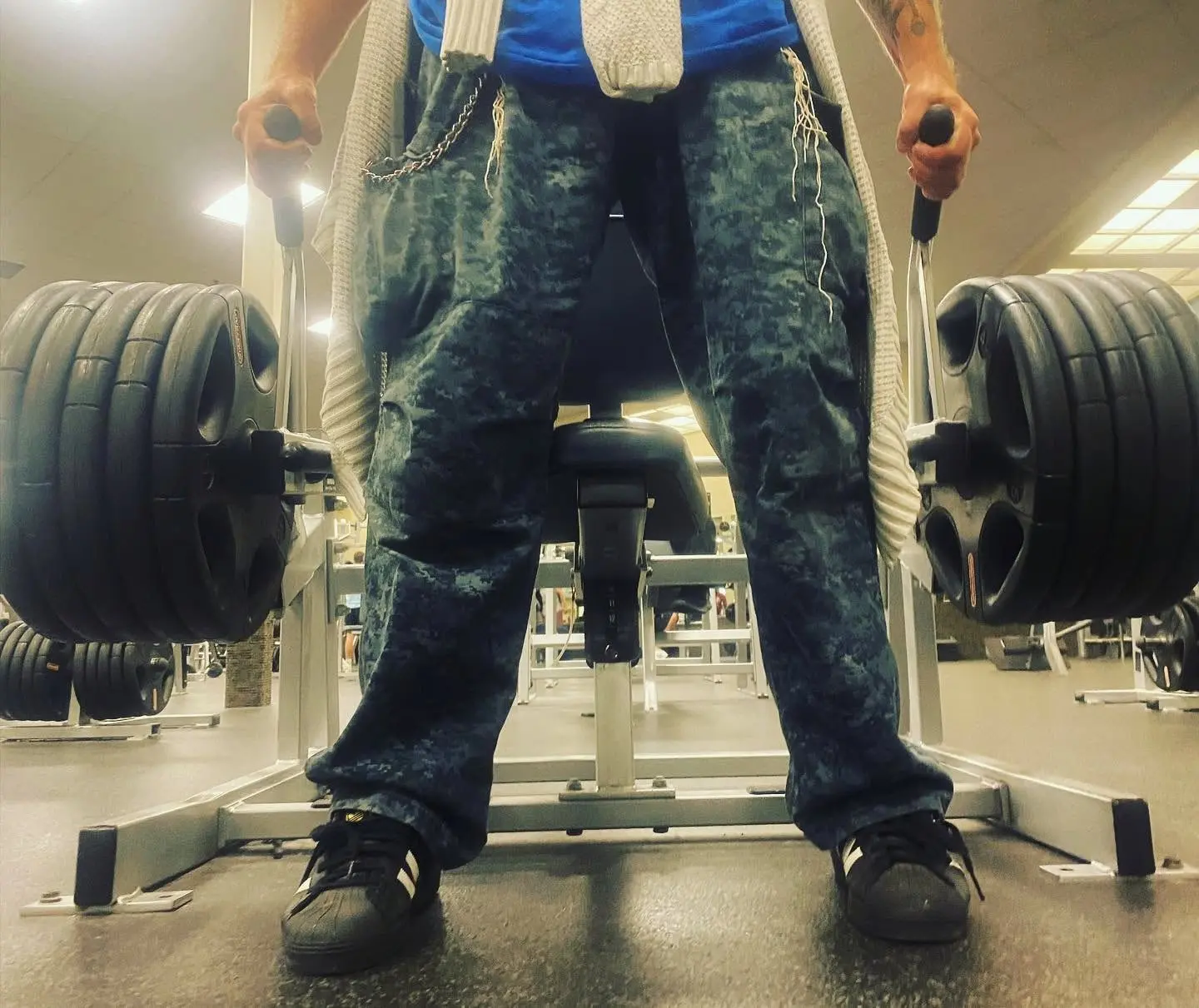
Internal organization tested through progressive resistance and heavy work.
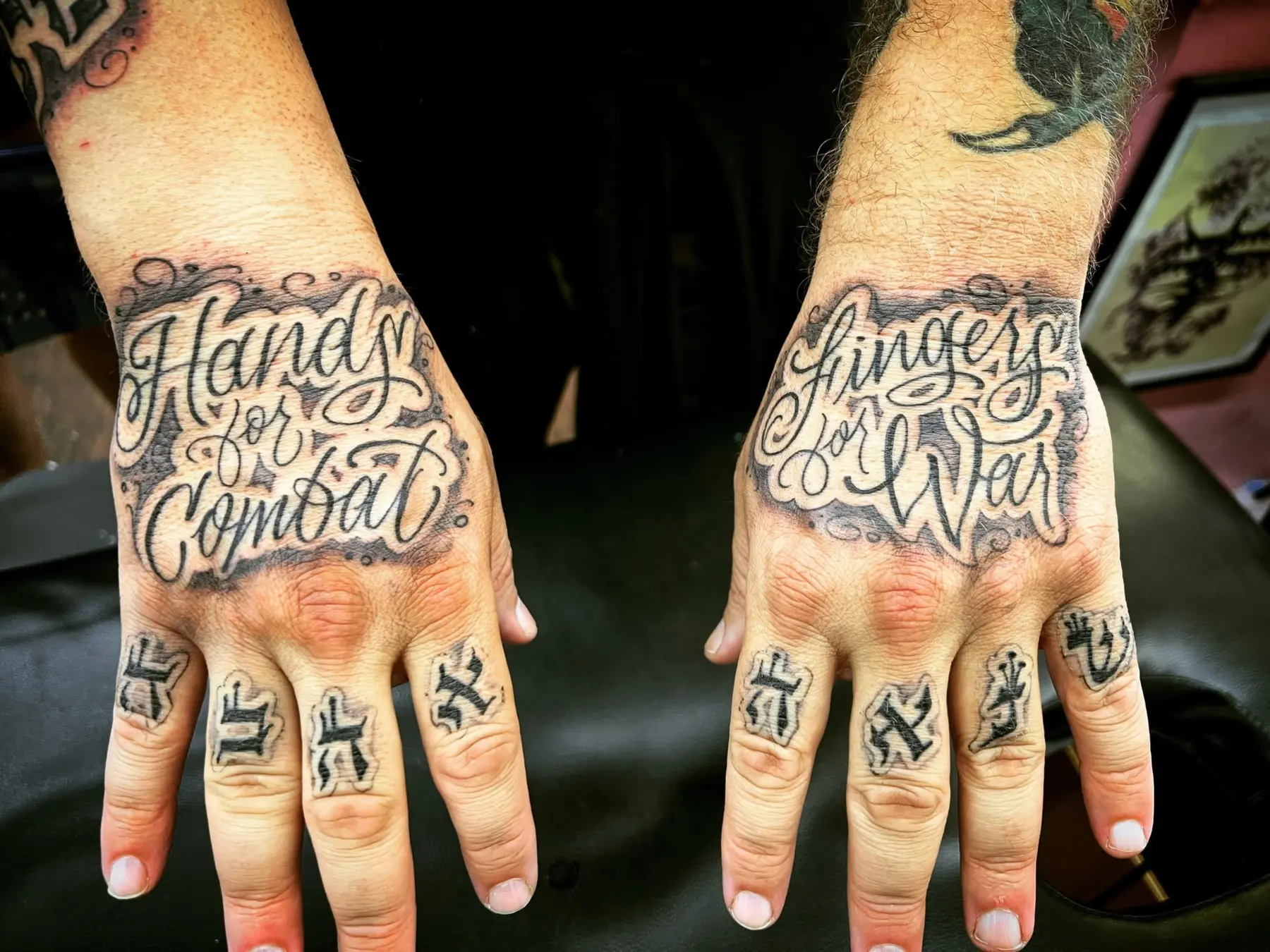
Hands for combat. Fingers for weaving. Martial capability remains answerable to culture and creation.
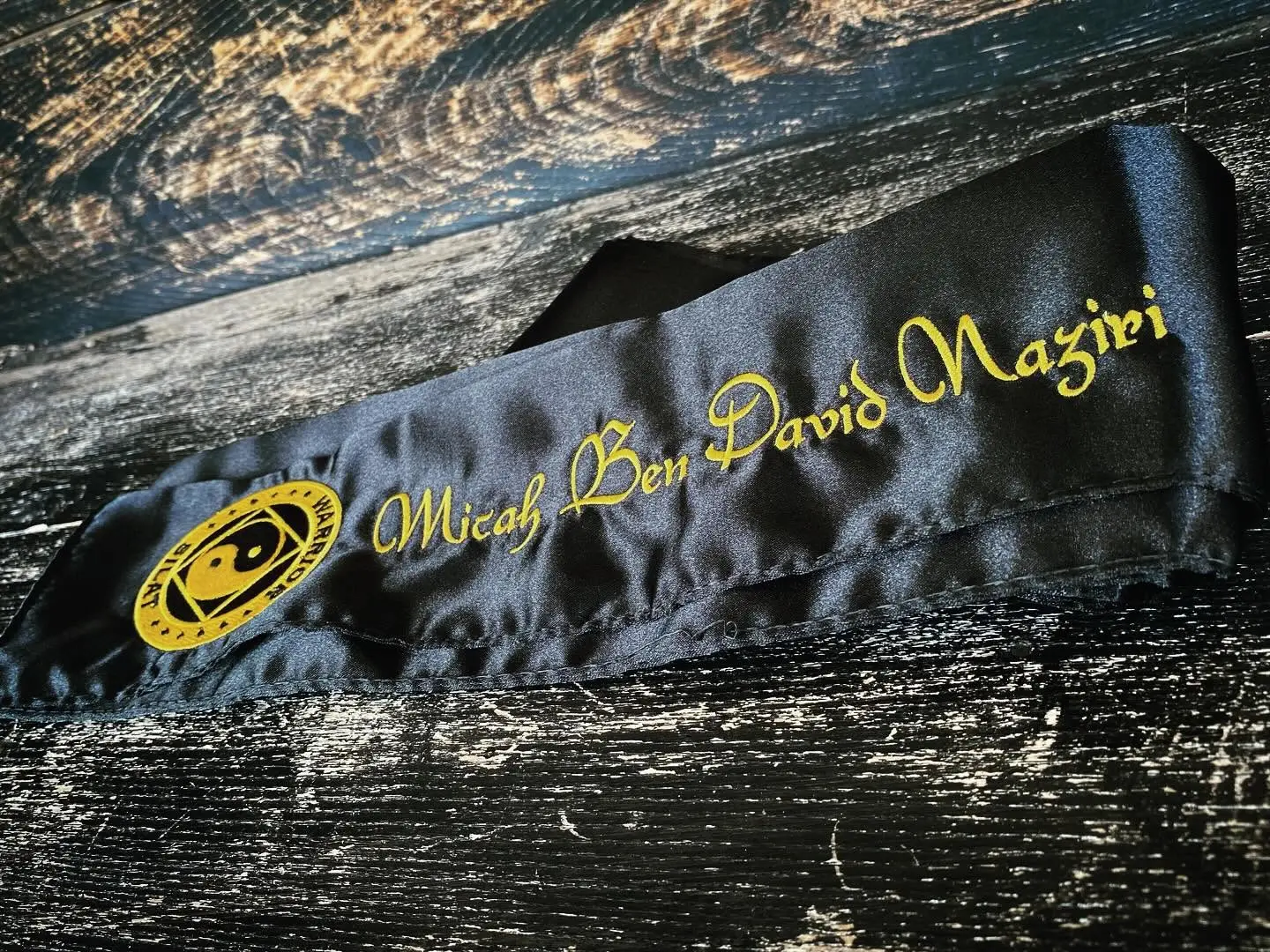
A close view of the Bukti Negara and Sera(k) Black Sash recognition.
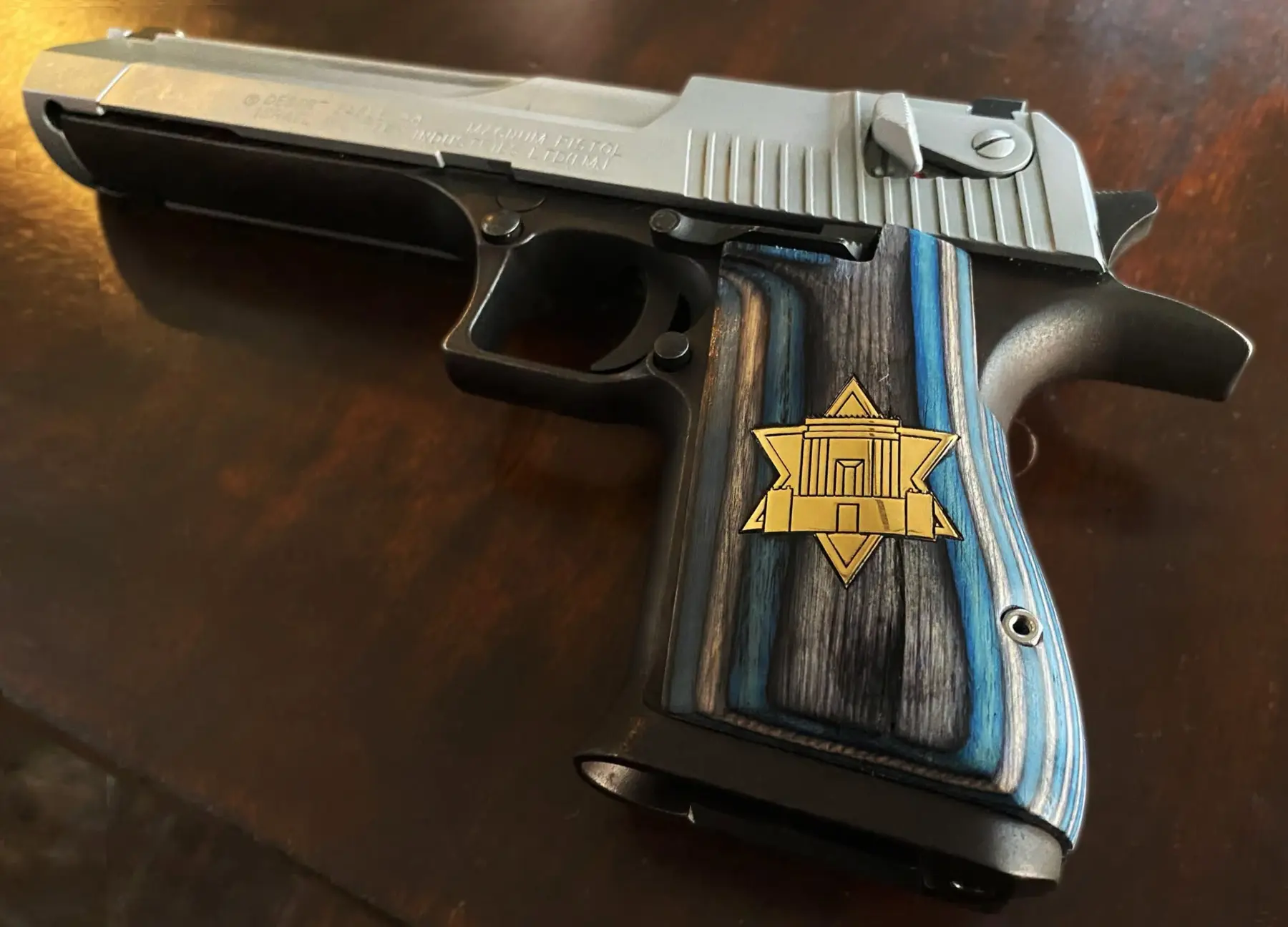
The Three Temples emblem carried into the responsible armed-defense environment.
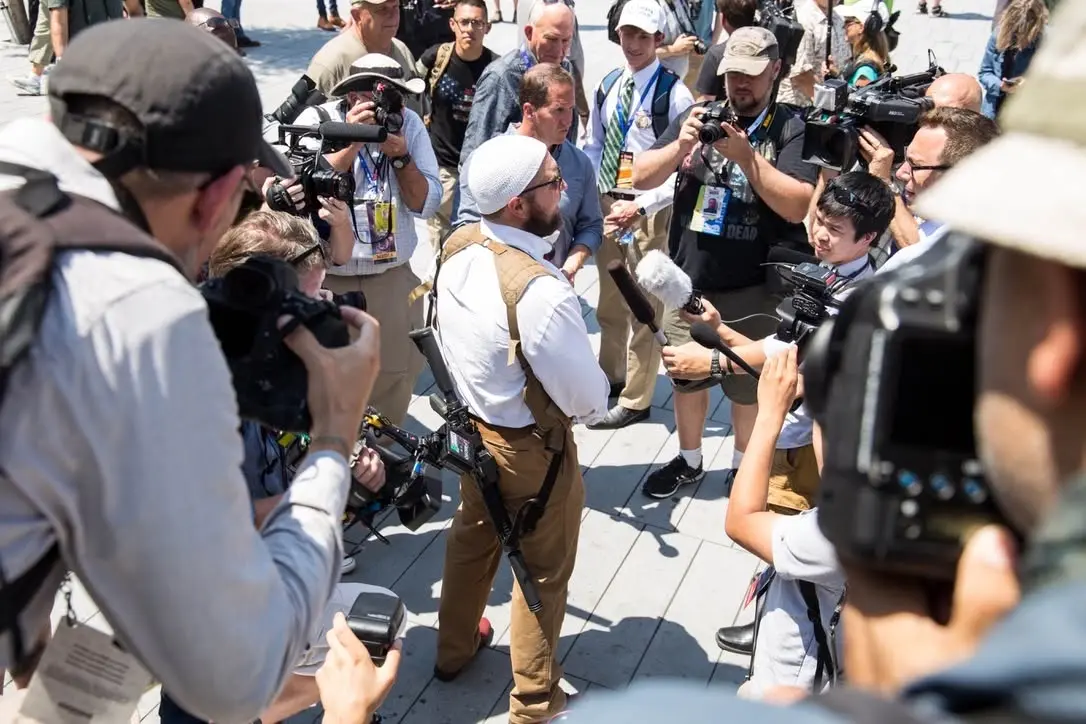
Preparedness, visibility, communication, and disciplined conduct under public scrutiny.
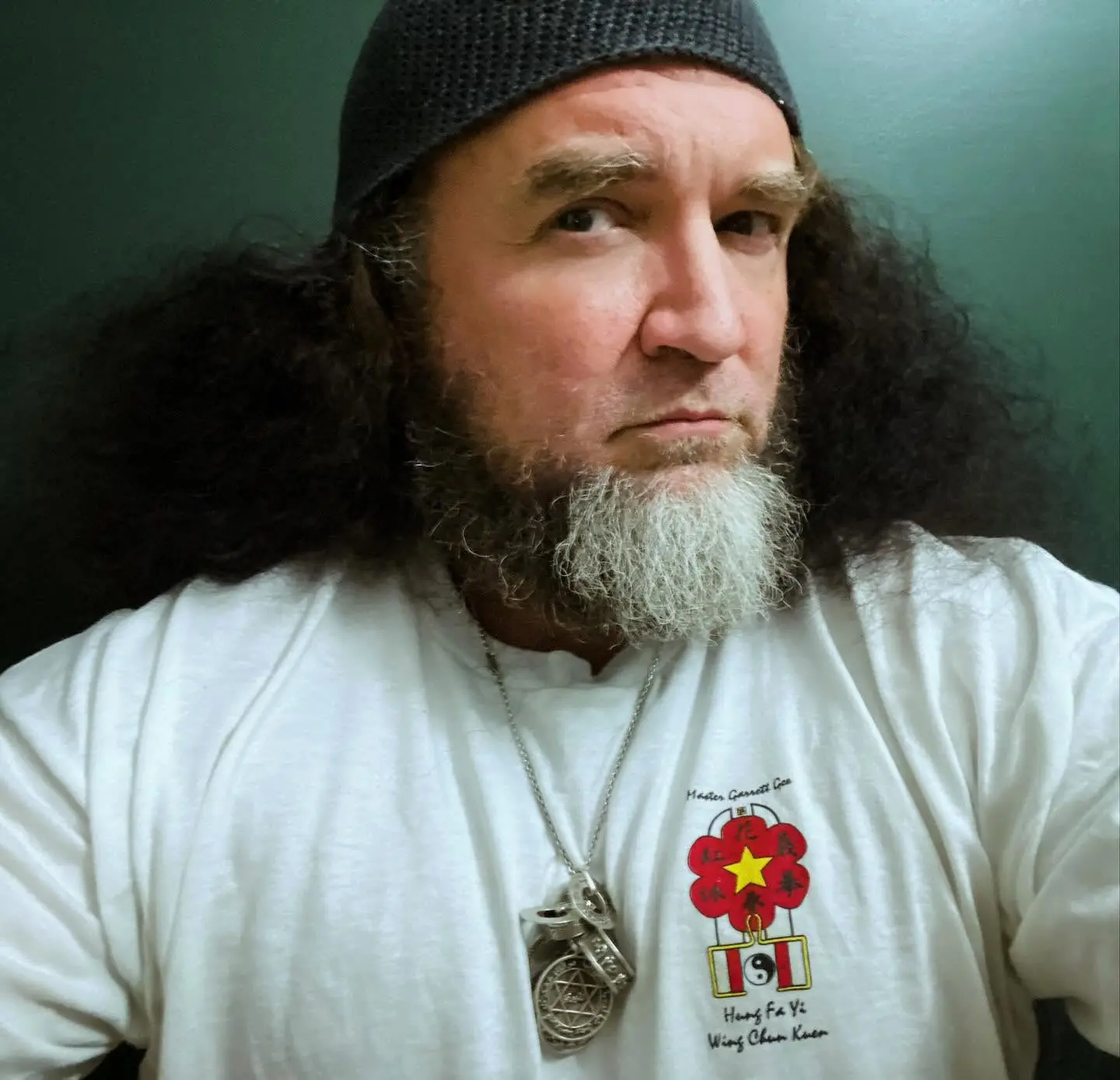
The martial journey remains open: ongoing practice across Chinese and Indo-Chinese Wing Chun lines.
קרב מגע · שלושת המקדשים
The archive is not a monument to finished achievement.
It is a record of continuing study: lineages received, principles tested, teachers honored, methods carried forward, and Israelite martial culture lived, restored, and transmitted through practice.