תרבות הלחימה של עם ישראל

Israelite martial culture.

קרב מגע · Krav Maga · Close-Quarters Combat

This is not only a project of restoration. It is a living culture: an Israelite relationship to physical capability, spiritual discipline, inherited identity, ethical restraint, communal responsibility, and the duty to protect life.

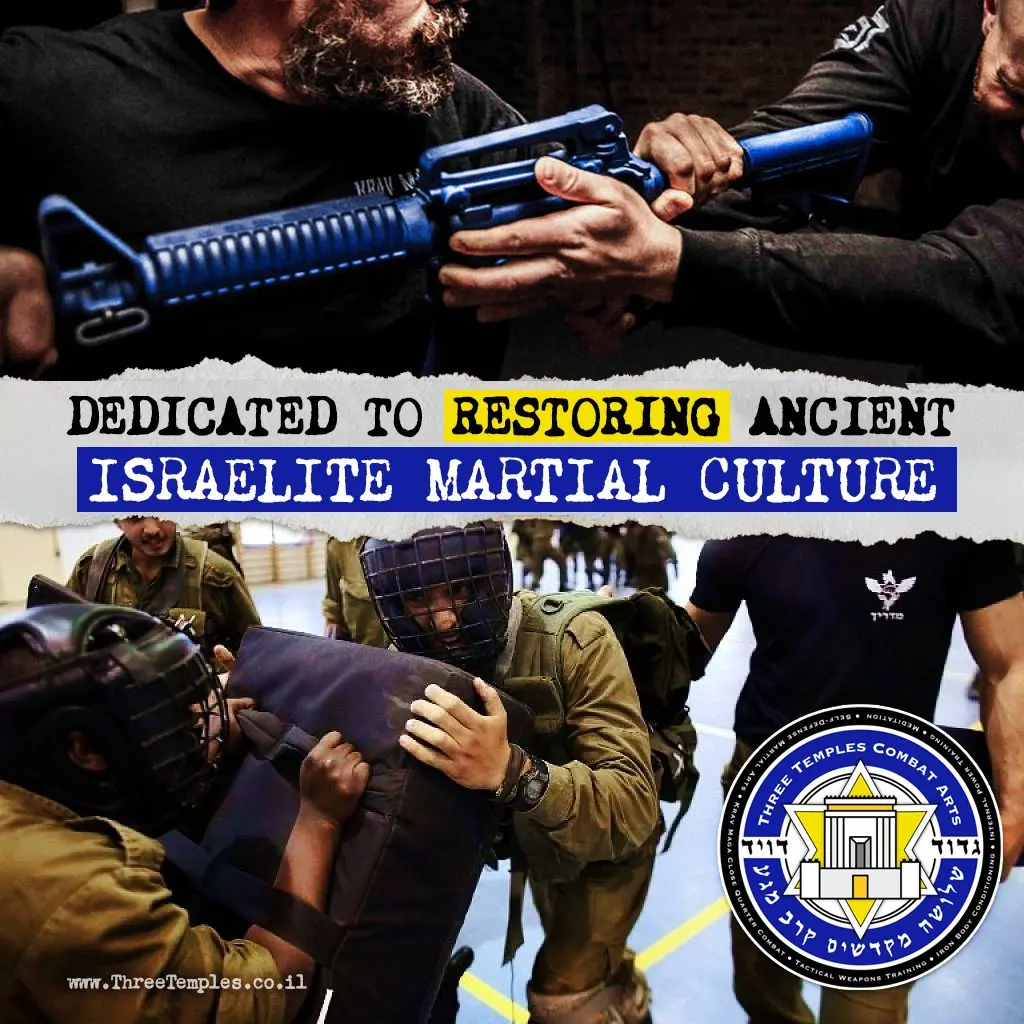
Dedicated to restoring ancient Israelite martial culture

The culture itself

Martial culture forms capable people—not merely effective fighters.

Israelite martial culture names an embodied way of life in which strength, health, courage, restraint, prayer, study, preparedness, family, and communal obligation belong to one human calling. Its purpose is not the glorification of violence. Its purpose is to form people who are difficult to terrorize, capable of protecting life, and disciplined enough to keep power answerable to sacred and ethical purpose.

The claim is not that every method taught by Three Temples survived unchanged from biblical antiquity. Taijiquan, Baguazhang, Xingyiquan, Northern Shaolin, Kali, Eskrima, Pencak Silat, and modern Israeli Krav Maga retain their own identifiable histories and lineages. Israelite martial culture is the larger civilizational frame in which these transmitted systems are studied, practiced, and directed toward Jewish self-cultivation and communal defense.

Restoration is an essential part of this work because generations of displacement, persecution, assimilation, and dependence have weakened the expectation of embodied readiness in many Jewish communities. But restoration is not the whole culture. The culture also lives now—in training, meditation, health, teaching, family formation, congregational preparedness, and responsible action.
Culture in full

Inheritance, practice, responsibility, and restoration.

01

Inherited identity

Israelite and Jewish identity is treated as embodied peoplehood—not only private belief, intellectual study, or abstract affiliation.

02

Living practice

Martial training, conditioning, breath, meditation, dietary discipline, healing, and recovery shape the culture in the present tense.

03

Protective responsibility

Capability is directed toward self, family, congregation, and community, with restraint, judgment, and the preservation of life governing force.

04

Restoration and transmission

What has been neglected is recovered, what remains alive is strengthened, and what is learned is transmitted responsibly to another generation.

רוחSpirit

Direction

Prayer, meditation, restraint, courage, moral clarity, humility, and the inward discipline that determines why and when force may be used.

גוףBody

Capability

Strength, mobility, breath, health, balance, striking, grappling, weapons awareness, recovery, and the capacity to remain functional under pressure.

קהילהCommunity

Responsibility

Mishpachah · Yachad · Qohelet

Family, togetherness, and the gathered community: protecting self, family, congregation, and community while forming people who can respond deliberately.

משפחה · יחד · קהלת

Mishpachah. Yachad. Qohelet.

MishpachahFamily

The first circle of care, formation, mutual obligation, and protection.

YachadTogether

The practiced unity through which individual capability becomes collective resilience.

QoheletThe gathered voice

A community assembled for reflection, wisdom, responsibility, and purposeful action.

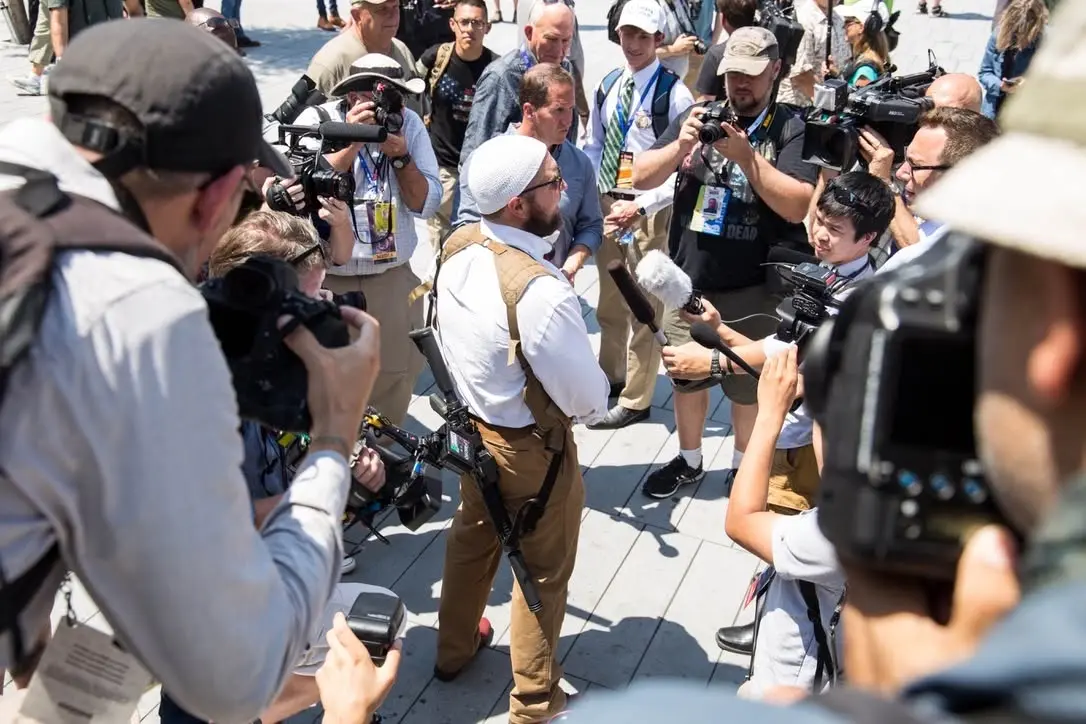
Dr. Micah Naziri speaking to press during a public community-defense presence
Visible responsibility

Community defense includes preparedness, public witness, communication, and disciplined conduct under scrutiny.

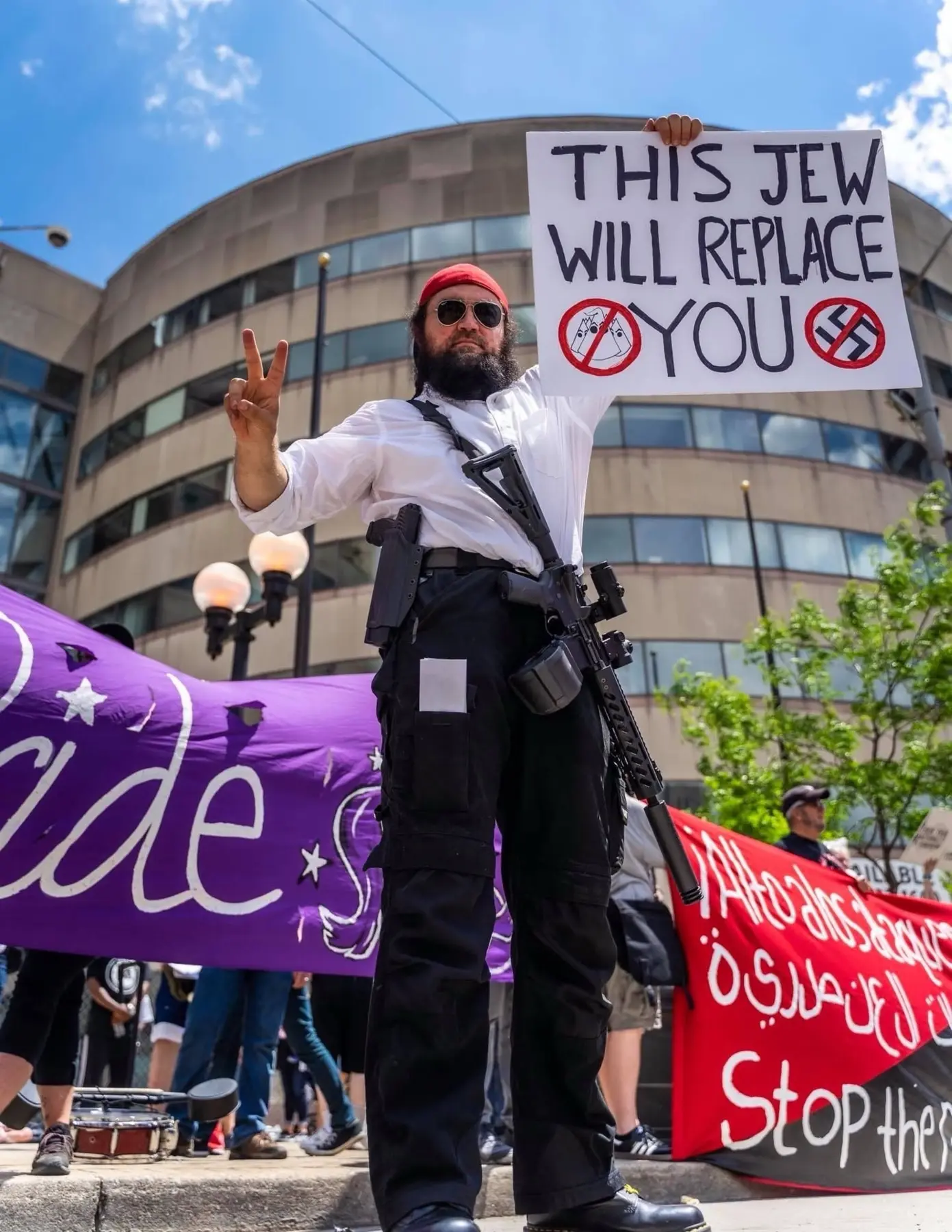
Dr. Micah Naziri at a public anti-Nazi demonstration
Against antisemitism and fascism

Preparedness can coexist with public moral witness and an explicit rejection of hate.

Dr. Micah Naziri seated in meditation beside the water
Stillness and recovery

Breath and meditative cultivation keep readiness rooted in health.

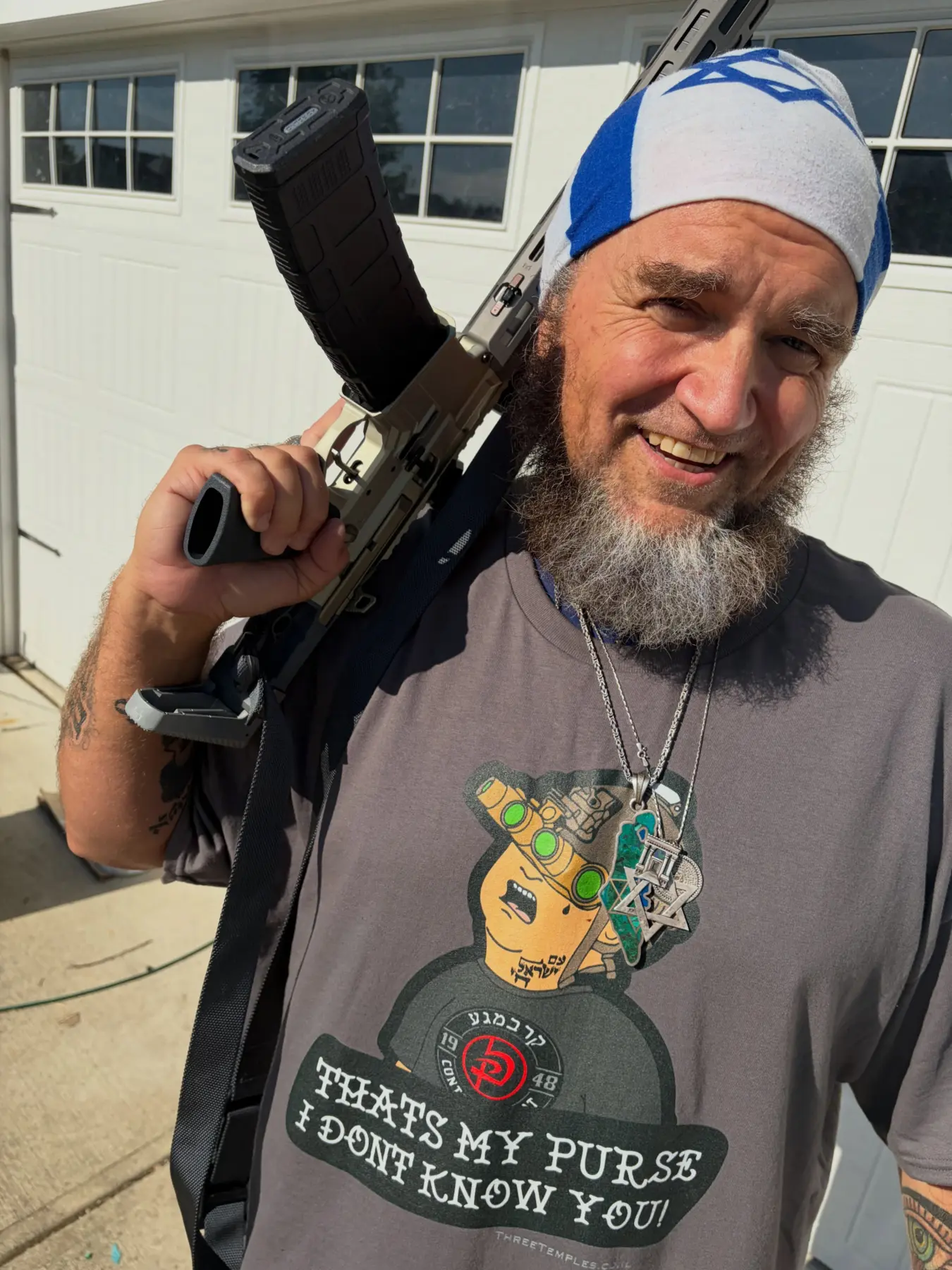
Dr. Micah Naziri in a responsible armed-defense context

עצמי · משפחה · קהילה

Self.Family.Community.DEFENSE.

Capability begins with the person, extends through family, and becomes communal responsibility. The weapon is never the culture; judgment, training, restraint, mutual obligation, and the preservation of life are.

קרב מגע · Contact combat

Krav Maga is the overarching CQB name.

In Three Temples, Krav Maga is used in its literal Hebrew sense: contact combat. It names the total Close-Quarters Combat problem rather than a narrow catalogue of techniques. That problem includes awareness before contact, entry, striking, clinch work, trapping, throws, sweeps, ground control, weapons, movement, concealment, cover, protection of others, and the psychology of threats encountered on the street, at demonstrations, and around houses of worship.

Chinese, Filipino, Indonesian, and Israeli systems contribute to that work without being falsely relabeled as one another. Each remains a transmitted tradition. The overarching CQB frame asks how their principles naturally meet under real conditions and how that training serves the larger ethical aims of Israelite martial culture.

Magen David geometry

A martial geometry of simultaneous protection and response.

01

Defense and attack together

Upper-body, lower-body, and striking triangles coordinate so that protective and offensive actions do not become separate, delayed events.

02

Minimum necessary movement

Efficiency comes from eliminating wasted motion: the threat departs first, yet trained structure arrives first.

03

Heaven, Human, and Earth

Long range, close quarters, and throws, sweeps, takedowns, and ground control are trained as connected ranges rather than isolated specialties.

04

One geometry across tools

The same spatial principles inform empty hand, straight blade, kerambit, stick, sword, and firearm work, proportioned to skill, context, legality, and responsibility.

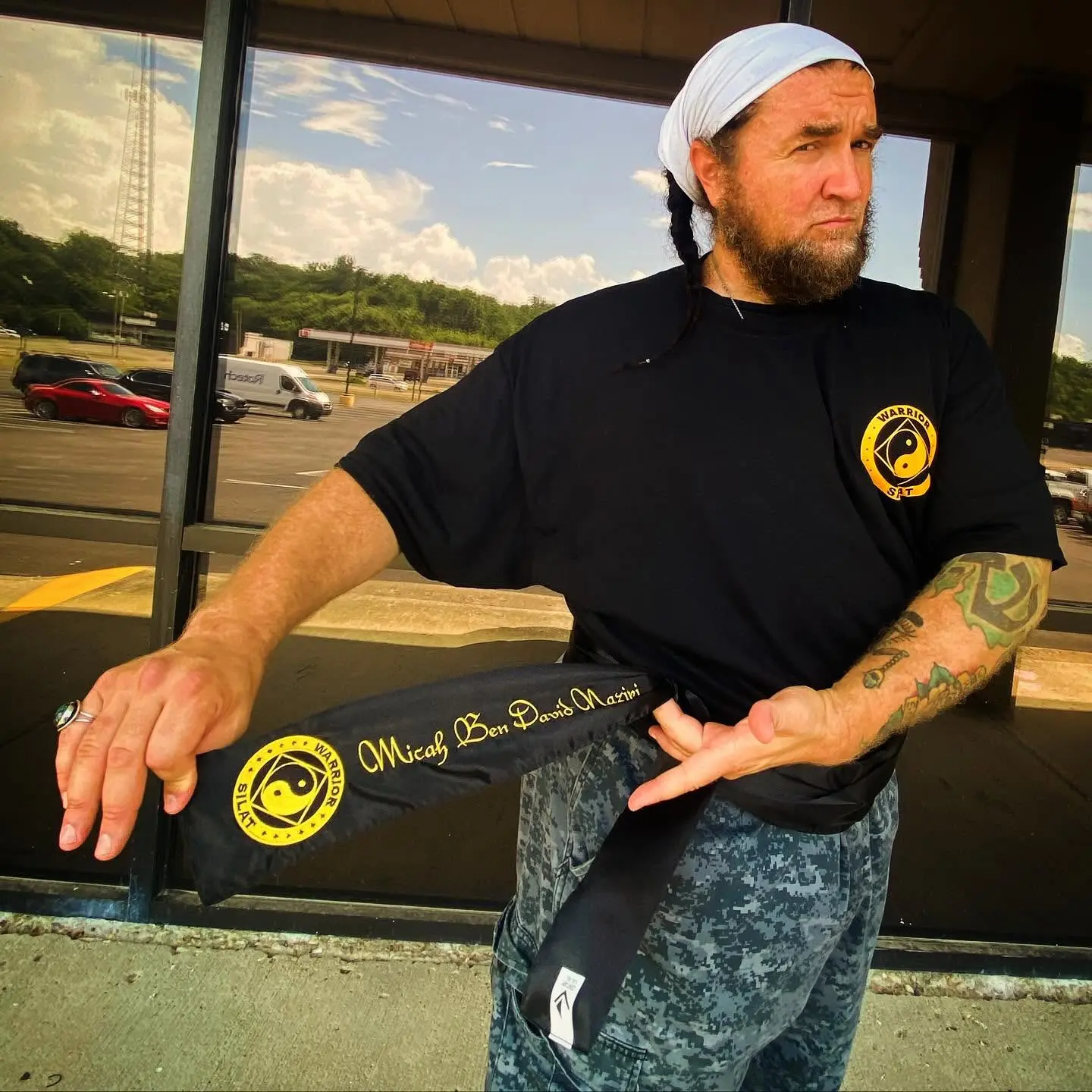
Dr. Micah Naziri with his Warrior Silat Black Sash

ללמוד · להתאמן · להגן

Carry the culture forward.

Restoration is one task within the larger work of sustaining an Israelite martial culture: stronger bodies, steadier minds, deeper roots, capable families, prepared congregations, and communities able to protect life while remaining governed by ethical purpose.